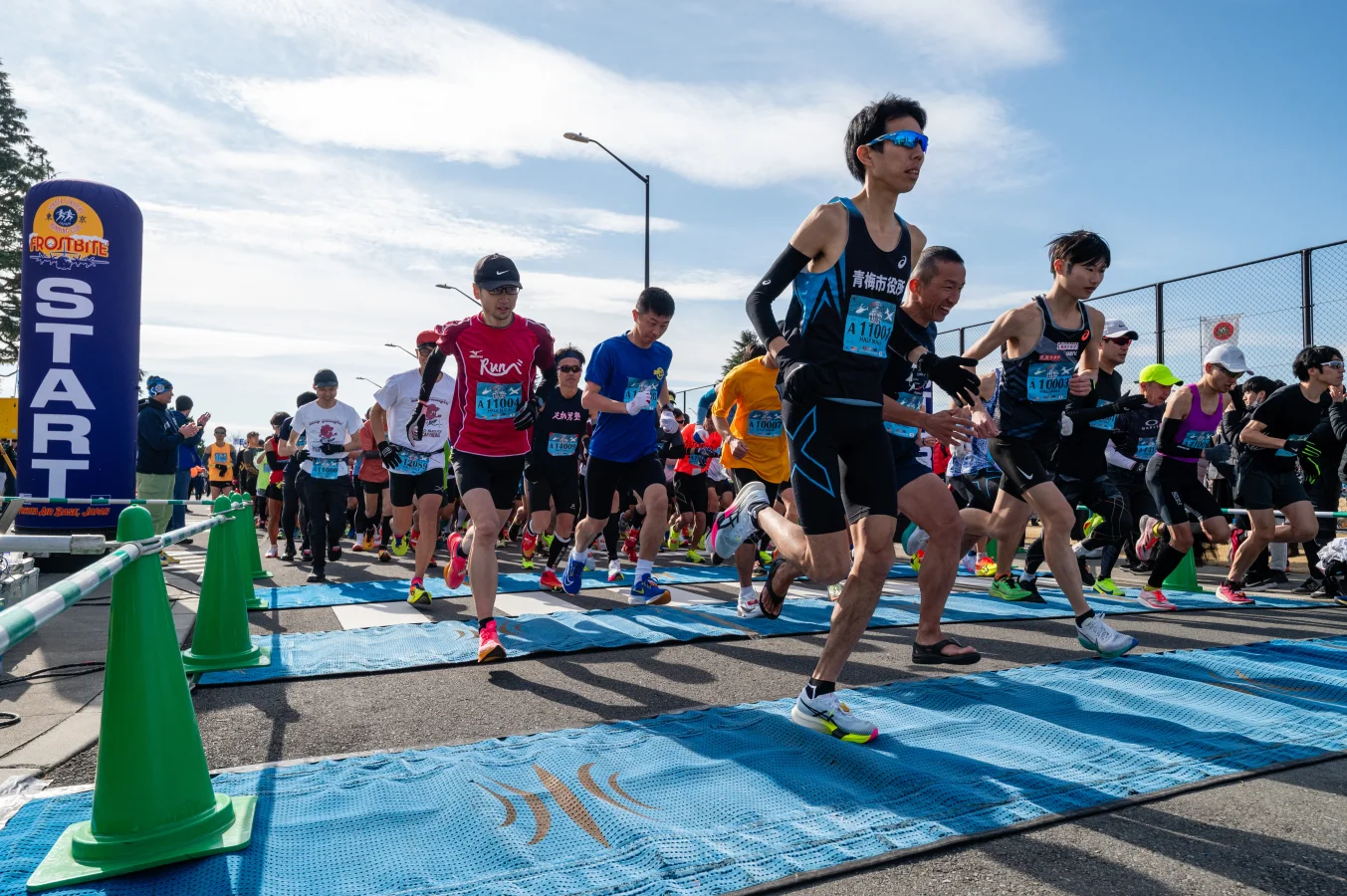
The 5K is the perfect first race. At 5 kilometres (3.1 miles), it's short enough to be achievable for a complete beginner in 8 weeks, but long enough to feel like a genuine athletic accomplishment. Millions of people run their first 5K every year — and most of them started exactly where you are now: wondering if they can do it.
The answer is yes. This 8-week plan takes you from your first run-walk session to comfortably finishing your first 5K. No prior running experience required.
Before You Start
If you've been completely inactive for more than a year, spend one week walking 30 minutes per day before starting Week 1. If you have any joint pain, heart condition, or health concern, check with your doctor first. Otherwise, lace up your shoes and get moving — your body is capable of more than you think. Check out our complete Tempo Runs for Marathon Training: How to Do Them and Why They Work guide for more.
You need only three things:
- Running shoes — visit a specialist running store for a proper fit; running in poor footwear is the fastest route to injury
- A phone or watch — to track time intervals and monitor distance
- 30 minutes, 3 times per week — this is all the time commitment required
The Run-Walk Method: Why It Works
This plan uses the run-walk method, pioneered by running coach Jeff Galloway. Instead of running continuously from Day 1 (which most beginners can't sustain and which leads to injury), you alternate running intervals with walking intervals.
The walking intervals are not a sign of weakness — they're a deliberate recovery tool that allows you to cover more total distance, build fitness faster, and avoid overuse injuries. Many experienced runners use walk breaks in races and still achieve excellent times.
As the weeks progress, the running intervals get longer and the walking intervals get shorter, until you're running the full 5K without stopping.
Weeks 1–2: Building the Habit
Your only goal in the first two weeks is to show up three times and finish each session. Effort should feel easy to moderate — you should be able to say short sentences while running, not gasping.
| Week | Session Structure (×3 per week) | Total Time |
|---|---|---|
| 1 | Warm-up walk 5 min, then: Run 1 min / Walk 2 min × 8 sets, cool-down walk 5 min | 34 min |
| 2 | Warm-up walk 5 min, then: Run 90 sec / Walk 2 min × 7 sets, cool-down walk 5 min | 33 min |
Run easy. If 1 minute of running feels impossible, slow down to a shuffle. Running pace doesn't matter — only the intervals matter.
Weeks 3–4: Growing Confidence
Running intervals extend to 3 minutes. You'll start to notice that what felt hard in Week 1 now feels manageable. This is your aerobic system adapting. Keep the easy running pace — resist the urge to speed up now that running feels more comfortable.
| Week | Session Structure (×3 per week) | Total Time |
|---|---|---|
| 3 | 5 min walk, Run 3 min / Walk 90 sec × 6 sets, 5 min cool-down | 38 min |
| 4 | 5 min walk, Run 5 min / Walk 90 sec × 4 sets, 5 min cool-down | 36 min |
Weeks 5–6: Extended Runs
By Week 5, you'll run 8-minute continuous intervals — almost half the time of a 5K at an easy pace. Week 6 introduces your first 20-minute continuous run. This is a milestone: once you can run 20 minutes without stopping, finishing a 5K is a matter of adding a few more minutes.
| Week | Session Structure (×3 per week) | Total Time |
|---|---|---|
| 5 | 5 min walk, Run 8 min / Walk 90 sec × 3 sets, 5 min cool-down | 39 min |
| 6 | 5 min walk, Run 20 min continuous, 5 min walk, Run 6 min, 5 min cool-down | 41 min |
💡 Week 5–6 mantra: "Slow is smooth, smooth is fast." The biggest beginner mistake is running the long intervals too hard and having to stop. Slow down enough that you can keep running — consistency beats speed at this stage.
Weeks 7–8: Race Preparation
The final two weeks push toward a continuous 30-minute run — typically enough to cover 5K at a beginner pace. Week 8 includes a short tune-up session before race day.
| Week | Session Structure (×3 per week) | Total Time |
|---|---|---|
| 7 | 5 min walk, Run 25 min continuous, 5 min cool-down walk | 35 min |
| 8 (Race Week) | Tue: 20 min easy run | Thu: 15 min easy run | Sat: Race Day! | +Race |
Running Form for Beginners
Good form makes running more efficient and reduces injury risk. Five key points to focus on:
- Posture — run tall, slight forward lean from the ankles (not the waist), relaxed shoulders
- Arms — bent at 90°, swing forward-back (not across your body), hands relaxed (imagine holding a crisp)
- Cadence — aim for 170–180 steps per minute; shorter, quicker steps are more efficient than long, heavy strides
- Foot strike — land with your foot under your centre of gravity, not in front of it (overstriding is the most common beginner form error)
- Breathing — breathe rhythmically through both nose and mouth; if you can't speak in short sentences, you're running too fast
Race Day: Your First 5K
The night before: lay out your kit, set two alarms, eat a normal dinner (carb-moderate — pasta, rice, or potato works well), drink water through the evening, and aim for 8 hours of sleep.
Race morning: wake up with at least 2 hours before the start. Eat a light breakfast (banana, toast, or oats). Arrive 30 minutes before the start. Do a 5-minute easy walk/jog warm-up.
During the race: start at the back of your wave to avoid being swept into a pace that's too fast. Go slower than you think you should for the first kilometre — adrenaline will want to push you. Save energy for km 3–5, which is where most beginners hit the wall if they went out too hard.
Walk breaks are fine. Crossing the finish line is the goal — your finishing time doesn't matter in your first 5K. What matters is that you do it.
Overlay Your Running Stats
Add your pace, distance, and heart rate to your running photos and videos — share your stats the way the pros do.
Try PaceOverlay Free →FAQ: 5K Training for Beginners
What pace should I run my 5K at?
For your first 5K, forget pace — run by effort. You should be able to say short phrases (not full sentences) while running. A typical beginner completes their first 5K in 35–45 minutes. Finishing is the only target that matters for a first race.
What if I miss a training session?
Don't try to make it up by doubling the next session. Just resume where you were. If you miss a full week, repeat the previous week rather than skipping ahead. Consistency over 8 weeks is far more important than any individual session.
Can I train for a 5K on a treadmill?
Yes. Treadmill training is convenient and weather-independent. For your race, if it's outdoors, do at least one or two runs outside in the weeks before to adjust to wind, terrain, and pacing without the machine's assistance. Set the treadmill incline to 1% to better simulate outdoor running.
How do I know if I'm running too fast?
The "talk test" is the simplest guide: if you can't speak in short phrases while running, you're running too fast. Slow to a pace where speaking is possible. Beginners almost always start too fast — it's the most common mistake in Week 1.
Conclusion
Eight weeks. Three sessions per week. That's all that separates you from your first 5K finish. This plan has worked for hundreds of thousands of first-time runners precisely because it doesn't ask too much too soon. Trust the process, show up consistently, run easy, and on race day — enjoy every step of it. The feeling of crossing that finish line is one you'll want to repeat.