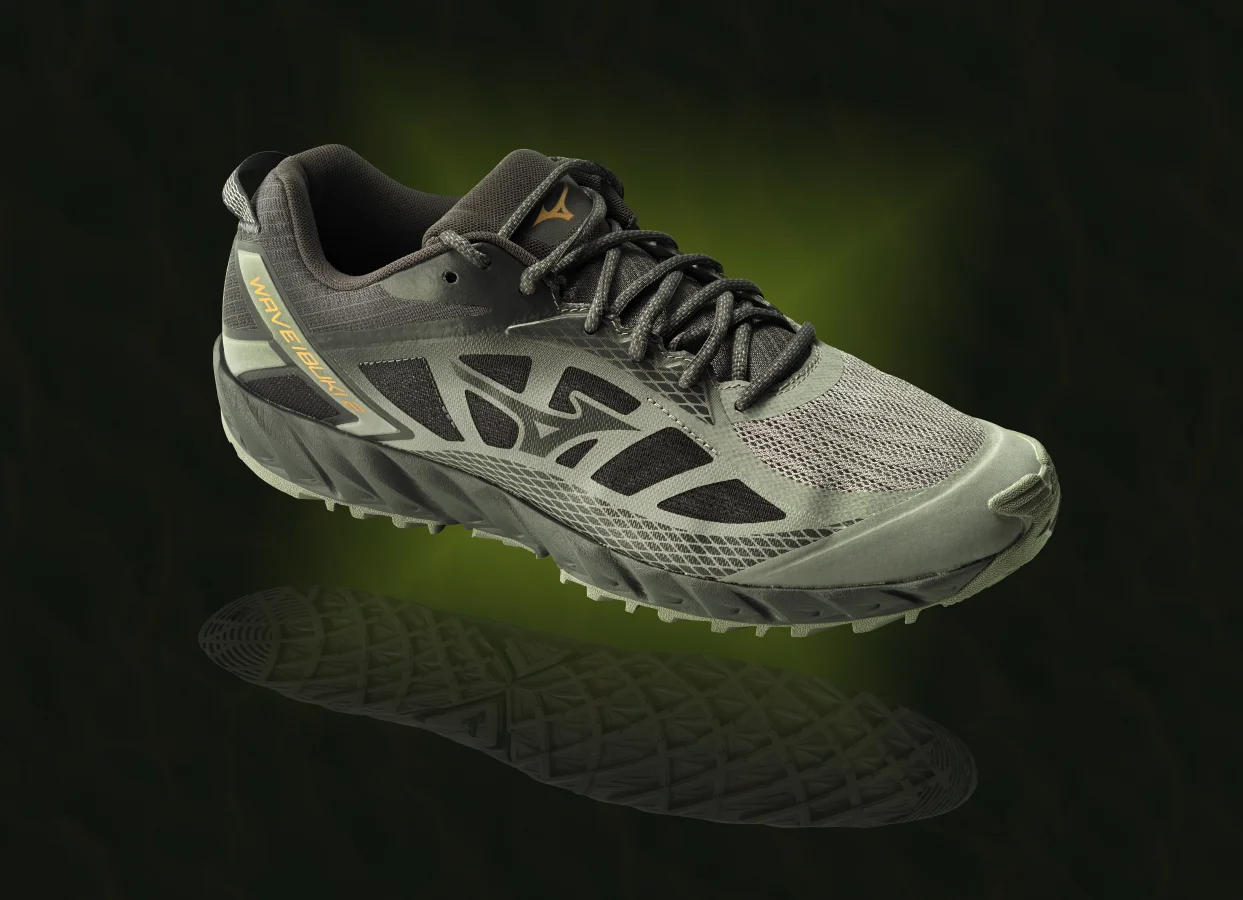
The single most important purchase for a new runner is a proper pair of running shoes. The wrong footwear leads to blisters, shin splints, knee pain, and premature burnout. The right pair keeps you comfortable, supports your natural gait, and makes those first weeks of running feel manageable rather than miserable.
Why Running Shoes Matter More Than You Think
Running shoes are engineered differently from every other type of athletic shoe. They're built to absorb repeated impact — the average runner's foot strikes the ground roughly 1,500 times per mile. Cross-trainers, basketball shoes, and casual sneakers aren't designed for this. Using them for running dramatically increases injury risk, particularly for shins, knees, and plantar fascia.
Running shoes also degrade with mileage in ways that aren't visible. The midsole foam — which provides cushioning — compresses and loses its ability to absorb shock after 300–500 miles. If you've had your "running shoes" for three years without replacing them, they're offering little protection regardless of how they look.
The Main Types of Running Shoes
Running shoes fall into a few broad categories. Understanding them helps narrow your search before you even walk into a store.
Neutral shoes are designed for runners with normal to high arches whose feet don't overpronate. They offer cushioning without added medial support. This is the largest category and where most beginners start.
Stability shoes include a firmer piece of foam or structural element on the inner edge to reduce overpronation. They're recommended for runners with flat feet or who tend to roll inward significantly when their foot strikes.
Motion control shoes offer the highest level of support for severe overpronators. They're stiffer and heavier. Most beginners don't need them.
Minimalist/barefoot shoes have little to no cushioning. These are not appropriate for beginners — transitioning requires months of gradual adaptation and is linked to stress fractures when done too quickly.
Get a Gait Analysis
The best thing you can do before buying your first pair is walk into a running specialty store and ask for a gait analysis. This is a free service at most specialty retailers. A staff member will watch you walk or jog — often on a treadmill with a camera — and assess your foot strike, pronation pattern, and arch type.
This takes 10–15 minutes and removes most of the guesswork. The staff will bring you shoes suited to your gait. Try at least three pairs. Walk and jog in each. Don't buy the most expensive option by default — fit and comfort matter far more than price.
Chain sports retailers rarely provide this service well. Seek out a dedicated running shop for the best experience.
How Running Shoes Should Fit
Running shoes should fit noticeably different from dress shoes or casual footwear. Here is what to check:
Toe box: You need a thumb's width of space between your longest toe and the end of the shoe. Your feet swell during runs — too little room causes black toenails and blisters.
Width: The widest part of your foot should align with the widest part of the shoe. If your foot bulges over the sides, go wider.
Heel lock: Your heel should not slip when you walk or jog. A loose heel leads to blisters and reduces energy transfer.
Arch: The arch support should meet your arch without pressing uncomfortably. It should feel supportive, not pinching.
| Shoe Type | Best For | Arch Type | Pronation |
|---|---|---|---|
| Neutral | Most beginners | Normal to high | Neutral / underpronation |
| Stability | Flat-footed runners | Low to flat | Mild to moderate overpronation |
| Motion Control | Severe overpronators | Flat | Severe overpronation |
| Minimalist | Experienced runners only | Any | Any (not for beginners) |
How Much Cushioning Do You Need?
More cushioning is generally better for beginners. Maximum-cushion shoes are forgiving on hard surfaces and reduce the pounding your joints experience as you build mileage. As you run more and develop better form, you may prefer less cushioning for a more responsive feel. But in the first 3–6 months, err toward more cushioning rather than less.
Stack height — the amount of foam between your foot and the ground — varies widely. For road running as a beginner, a stack height of 28–36mm provides a comfortable balance.
What to Spend
Quality running shoes cost $100–$160 for most beginners. You don't need to spend more than this. Shoes in the $130–$150 range from major brands (Brooks, ASICS, New Balance, Saucony, Hoka) are excellent for starting out.
Avoid buying discount running shoes you've never tried for the sake of saving $30. A cheap pair that causes shin splints is far more expensive than a well-fitted pair at full price.
Replace Your Shoes: Most running shoes last 300–500 miles. After 6–9 months of regular running (3x/week), you likely need a replacement even if the shoes look fine. The cushioning goes long before the upper falls apart.
Running Socks: Often Overlooked
Socks matter more than most beginners realize. Cotton socks retain moisture, cause friction, and lead to blisters. Invest in running-specific socks made from moisture-wicking synthetic material or merino wool.
Wear the socks you plan to train in when trying on shoes at the store. Sock thickness affects fit — a thin racing sock and a thick cushioned sock will make the same shoe feel different.
Ready to lace up? Start with our Complete Beginner's Guide to Running for a full plan from day one.
Overlay Your Running Stats
Add your pace, distance, and heart rate to your running photos and videos — share your stats the way the pros do.
Try PaceOverlay Free →Frequently Asked Questions
Can I run in regular sneakers to start?
You can, but it increases your injury risk significantly. Regular sneakers lack the cushioning and support engineering that running shoes have. If you're testing whether you like running before investing, limit yourself to very short distances (under 1 mile) and transition to proper running shoes as soon as you decide to continue.
Should I buy running shoes a half size up?
Many runners find they need a half to full size larger in running shoes compared to their casual shoe size. This accounts for foot swelling during exercise and ensures adequate toe box space. When in doubt, go up half a size and check that you have a thumb's width of space at the toe.
Are expensive running shoes better?
Not necessarily. Beyond $160, you're often paying for carbon fiber plates (race shoes), brand prestige, or aesthetics. For training as a beginner, shoes in the $110–$150 range from reputable running brands perform extremely well. Fit matters far more than price.
How do I know when my running shoes are worn out?
Track your mileage and replace between 300–500 miles. Signs of premature wear include unusual aches or joint pain that wasn't there before, visible compression or creasing in the midsole foam, the sole wearing through in specific spots, or a noticeably "flat" feel underfoot.
Final Thoughts
The most important thing about best running shoes for beginners is that it is learnable. The principles covered in this guide — from Why Running Shoes Matter More Than You Think, The Main Types of Running Shoes — give you a proven framework to work from, regardless of your current fitness level.
Start with one change this week. Apply it consistently across a few runs, assess the results, and build from there. Running rewards patience and consistency more than any other input. Show up regularly, progress gradually, and the improvements follow.