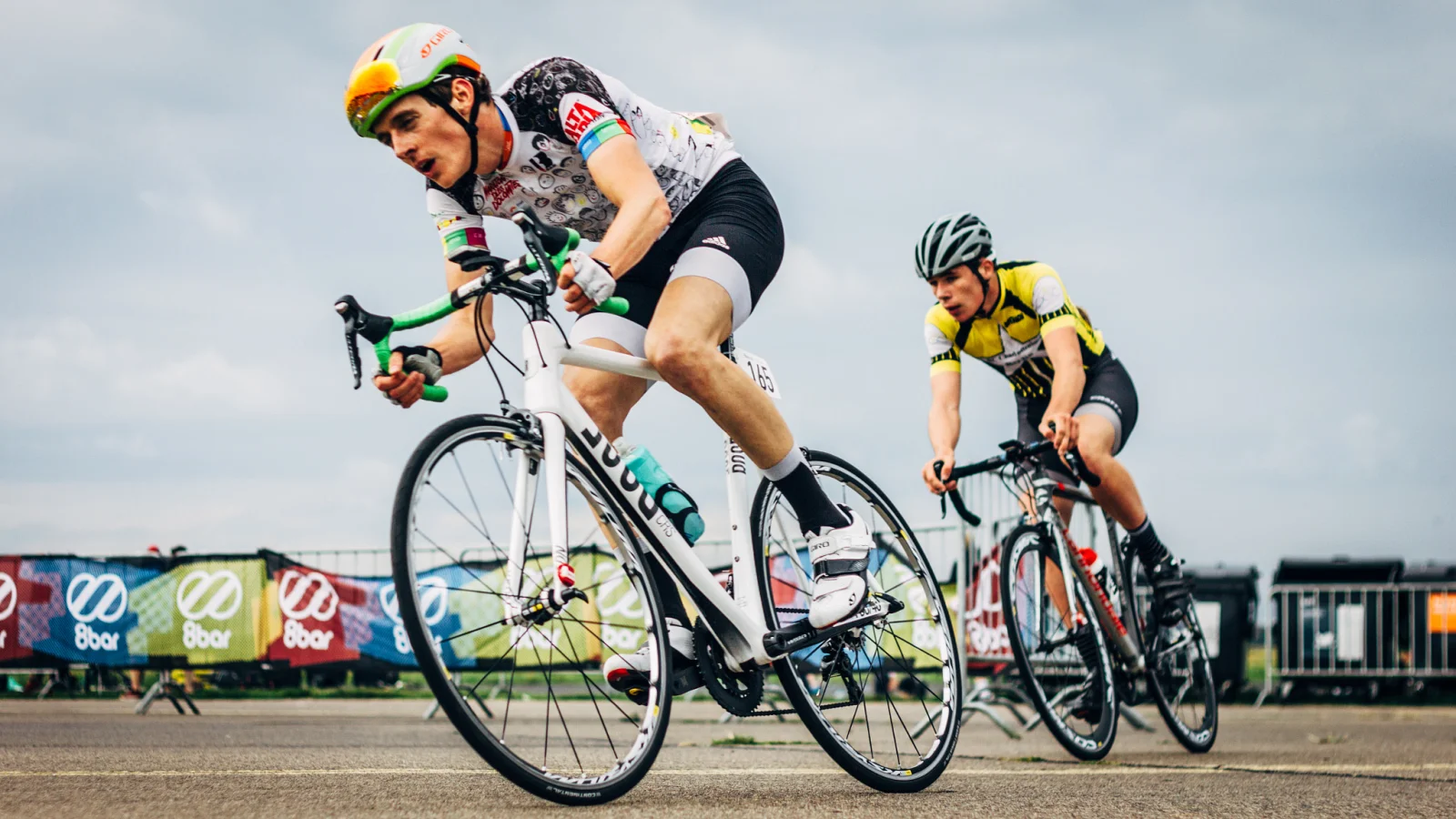
The indoor vs outdoor cycling training debate has intensified since smart trainers and virtual platforms like Zwift transformed what's possible indoors. Both environments develop fitness, but they do so differently — and the best cyclists use both strategically. This guide breaks down exactly what each mode does well, where each falls short, and how to structure a hybrid training approach that delivers the fastest progress regardless of the weather outside.
Advantages of Indoor Cycling Training
Indoor training on a smart trainer offers control that outdoor riding simply cannot match:
- Precision: Hold 265 watts in ERG mode without wind, hills, or traffic interrupting the interval
- Time efficiency: A 60-minute indoor session delivers more training stimulus than a 90-minute outdoor ride with stops
- Safety: No cars, no unpredictable weather, no mechanical failure risks mid-session
- Weather independence: Complete your training plan regardless of rain, ice, or darkness
- Data accuracy: Smart trainers measure power directly; no road vibration or drivetrain noise to corrupt readings
- Structured workout library: Platforms like Zwift, TrainerRoad, and Wahoo X provide expert-designed sessions at the tap of a button
Indoor training is especially valuable for threshold intervals, VO2 max efforts, and recovery spins where consistent power output matters most. Pair this with the FTP testing methods in our cycling FTP training guide for maximum precision.
Advantages of Outdoor Cycling Training
Despite the rise of indoor platforms, outdoor riding offers things no trainer can replicate:
- Handling skills: Cornering, descending, group riding, and technical trail features require real-world practice
- Mental variety: Changing scenery, social rides, and unpredictable terrain prevent psychological burnout
- Natural effort variation: Terrain forces you to respond to conditions, building resilience and tactical awareness
- Full-body conditioning: Balancing, steering, and absorbing road vibration engage stabilising muscles trainers ignore
- Vitamin D and mood: Exposure to natural light and outdoor environments measurably improves mood and motivation
| Factor | Indoor | Outdoor | Winner |
|---|---|---|---|
| Precision training | Excellent | Good | Indoor |
| Time efficiency | Excellent | Moderate | Indoor |
| Handling skill development | None | Excellent | Outdoor |
| Mental enjoyment | Moderate | Excellent | Outdoor |
| Weather dependence | None | High | Indoor |
| Race specificity | Moderate | High | Outdoor |
How to Combine Indoor and Outdoor Training
The most effective approach is a deliberate hybrid schedule. Use indoor training for precision work and outdoor riding for volume and skill. Here's a practical weekly split for a rider with 8–10 hours:
- Monday: Rest
- Tuesday: Indoor — sweet spot or threshold intervals (60–75 min)
- Wednesday: Outdoor — 90-min Zone 2 endurance ride
- Thursday: Indoor — VO2 max or over-unders (45–60 min)
- Friday: Rest or easy outdoor spin
- Saturday: Outdoor — long ride (3–5 hours, Zone 2)
- Sunday: Outdoor — moderate group ride or solo endurance
This structure gives you two precision indoor sessions where control matters most, while preserving outdoor volume for enjoyment, handling skill, and aerobic base. Fit it within the broader block periodisation of your cycling endurance training plan.
Practical Tip: In bad weather months, shift the balance to 60–70% indoor. In summer, flip it to 70% outdoor. Never abandon either completely — handling skills deteriorate in winter if you ride zero outdoor kilometres.
Getting Your Indoor Setup Right
An uncomfortable or under-specced trainer setup undermines the indoor training advantage. Key considerations:
- Direct-drive trainers: Wheel-off trainers (Wahoo KICKR, Tacx NEO) are quieter, more accurate, and better at simulating road feel than wheel-on models
- Fan: Non-negotiable. Indoors, you lose the wind-chill cooling you'd get outdoors. A large fan directed at your chest reduces core temperature and extends time to fatigue significantly
- Sweat management: A sweat guard for your top tube protects your bike; towels around the trainer protect your floor
- Screen entertainment: A TV, tablet, or dedicated cycling platform subscription transforms boring sessions into engaging workouts
- Bike fit: Indoor riding allows zero position adjustment from wind and terrain. Ensure your fit is dialled before logging long indoor hours to avoid overuse injuries
Overlay Your Running Stats
Add your pace, distance, and heart rate to your running photos and videos — share your stats the way the pros do.
Try PaceOverlay Free →Frequently Asked Questions
Is indoor cycling as effective as riding outside?
For building aerobic fitness and raising FTP, indoor training can be equally or more effective because of its precision and time efficiency. For race preparation, technical skills, and sport-specific adaptation, outdoor riding is essential. Elite cyclists use both year-round.
Why do I feel faster outdoors after training indoors?
Indoor training in ERG mode develops power at specific wattages without letting you coast, corner, or soft-pedal. This creates a more consistent training stimulus. When you return outdoors, you have more power available and more efficient technique from the structured work.
How do I prevent boredom during indoor sessions?
Use a structured workout platform (TrainerRoad, Zwift, Wahoo X) rather than free-riding. Structured intervals provide a clear focus that makes time pass faster. Virtual racing on Zwift and social group workouts also add engagement. For very long indoor sessions, split them with a movie or TV series to maintain motivation.
Final Thoughts
Mastering indoor vs outdoor cycling training takes deliberate practice, but the payoff — better efficiency, higher power output, and more enjoyment on the bike — is worth every session. The guidance here on Advantages of Indoor Cycling Training, Advantages of Outdoor Cycling Training gives you a solid foundation to build from.
Apply one or two takeaways from this guide on your next ride. Small, consistent improvements compound into significant gains over a season. Stay patient, trust the process, and enjoy the journey.