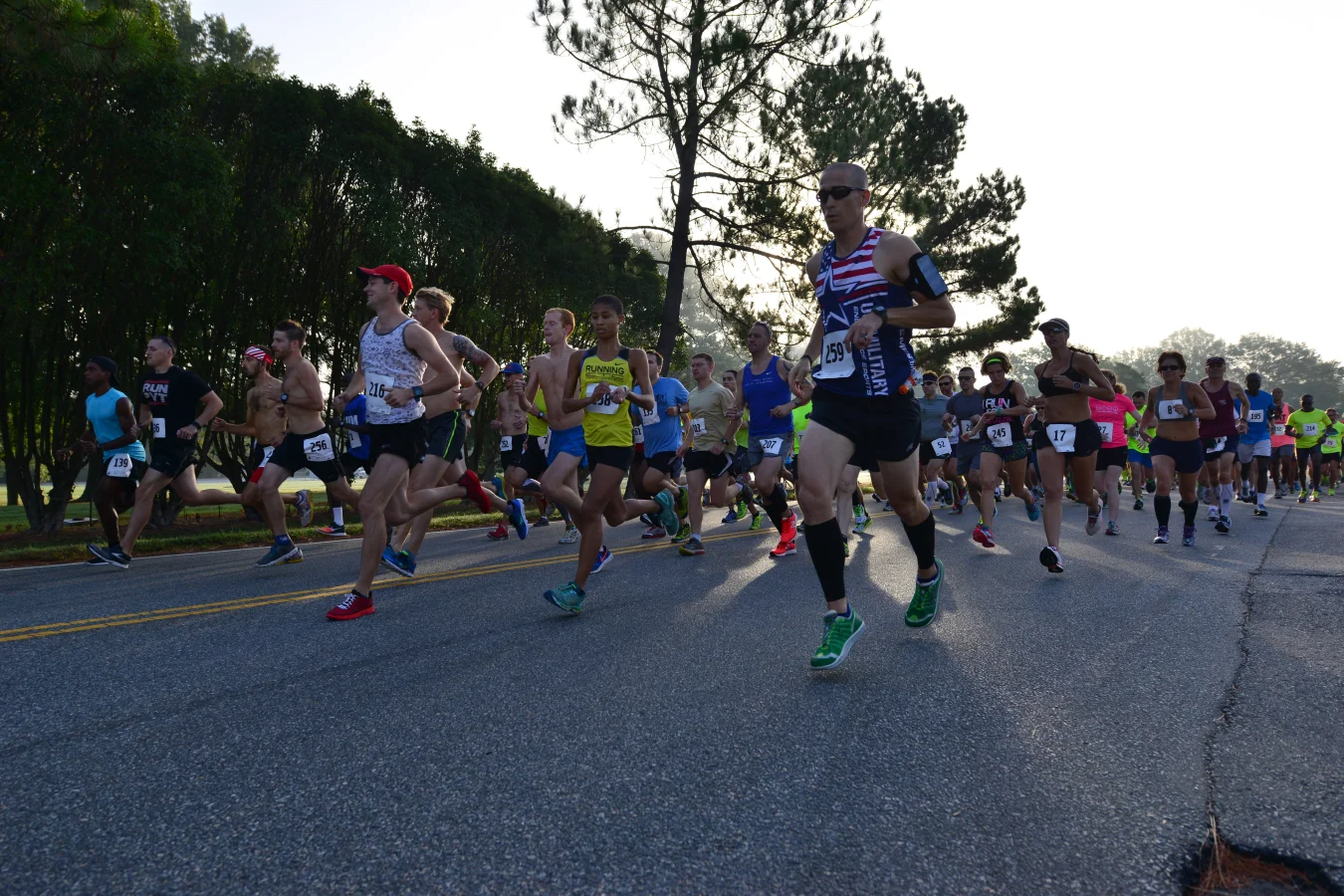
A half marathon — 21.1 kilometres (13.1 miles) — is the perfect first "serious" race distance. It's challenging enough to feel like a real achievement, short enough to train for in 12 weeks without running yourself into the ground, and popular enough that almost every major city has one you can enter.
This guide gives you a complete 12-week training plan, explains the key workouts, and walks you through everything from nutrition to race morning logistics.
Before You Start: Are You Ready?
This plan assumes you can already run 20–25 minutes continuously without stopping. If you can't, spend 4 weeks building to that level first (a Couch to 5K programme works well). Starting a half marathon plan before you have a consistent running base leads to injury within the first 3 weeks.
If you can run 5 km comfortably, you're ready to start this plan.
Plan Overview
The plan runs for 12 weeks, with four running days per week. Two rest days allow recovery, and one cross-training day (cycling, swimming, or yoga) builds fitness without adding running stress. The structure for each week:
- Monday — Rest
- Tuesday — Easy run (Zone 2)
- Wednesday — Quality session (tempo or intervals)
- Thursday — Easy run (Zone 2)
- Friday — Rest or cross-training
- Saturday — Long run (the cornerstone of half marathon training)
- Sunday — Optional easy recovery run or complete rest
Weeks 1–4: Building the Foundation
The first four weeks establish your base. Keep all easy runs genuinely easy — if you can't hold a conversation, slow down. Long runs in this phase should feel comfortable and controlled.
| Week | Tue (Easy) | Wed (Quality) | Thu (Easy) | Sat (Long Run) | Total |
|---|---|---|---|---|---|
| 1 | 30 min | 5K easy | 25 min | 8 km | ~25 km |
| 2 | 35 min | 3×8 min @ tempo | 30 min | 10 km | ~29 km |
| 3 | 35 min | 4×6 min @ tempo | 30 min | 12 km | ~31 km |
| 4 | 30 min | Easy 5K | 25 min | 10 km | ~26 km (recovery week) |
Week 4 is a recovery week — deliberately lower mileage lets your body absorb the training from Weeks 1–3.
Weeks 5–8: Building Strength and Confidence
The second phase extends your long runs and introduces more structured quality sessions. Your easy runs get slightly longer, and you'll start to feel the half marathon distance become less intimidating.
| Week | Tue | Wed (Quality) | Thu | Sat (Long Run) | Total |
|---|---|---|---|---|---|
| 5 | 40 min | 5×5 min @ 10K pace | 35 min | 14 km | ~35 km |
| 6 | 40 min | 25 min tempo | 35 min | 15 km | ~37 km |
| 7 | 45 min | 6×5 min @ 10K pace | 40 min | 17 km | ~41 km |
| 8 | 30 min | Easy 5K | 30 min | 13 km | ~30 km (recovery week) |
Weeks 9–12: Race-Specific Preparation and Taper
The final phase builds toward your peak long run, then tapers — systematically reducing mileage so you arrive at race day fresh and ready.
| Week | Tue | Wed (Quality) | Thu | Sat (Long Run) | Total |
|---|---|---|---|---|---|
| 9 | 45 min | 30 min tempo | 40 min | 18 km | ~44 km |
| 10 | 45 min | 4×10 min @ tempo | 40 min | 20 km | ~47 km |
| 11 | 40 min | Easy 6K | 35 min | 16 km | ~36 km (taper starts) |
| 12 (Race Week) | 30 min | 10 min easy + 4×30 sec strides | 20 min easy | Race Day! | ~15 km + race |
💡 Don't skip the taper. Most first-time half marathoners panic when mileage drops in Weeks 11–12 and add extra runs. Resist the urge. The taper is when your fitness locks in and your legs recover for race day.
The Long Run: Cornerstone of Half Marathon Training
Your Saturday long run is the most important session of the week. Run it at a conversational, easy pace — significantly slower than your goal race pace. The long run builds endurance, teaches your body to use fat for fuel, and mentally prepares you for the race distance.
Long run rules:
- Never run the long run faster than 90 seconds per km slower than your goal race pace
- Carry water for runs over 60 minutes
- Practice race-day nutrition — eat a banana or energy gel at the 60 and 90-minute marks on long runs
- After every long run, prioritise sleep, protein, and a 10-minute walk (not a sit) to flush lactic acid
Nutrition for Half Marathon Training
You don't need to overhaul your diet to run a half marathon, but a few adjustments help:
- Carbohydrates are your primary fuel. Don't restrict them during training. Oats, rice, sweet potato, and pasta are excellent sources.
- Protein (1.4–1.7g per kg bodyweight per day) supports muscle repair after hard sessions.
- Hydration: Aim for pale yellow urine. Drink water before, during (on runs over 45 min), and after runs.
- Race fuelling: For a half marathon, you'll need 1–2 gels or equivalent at km 8 and 14. Practice with these in training — never try new nutrition on race day.
Race Day Strategy
The most common mistake in a first half marathon: going out too fast. Almost every beginner does it, carried away by race adrenaline, and hits the wall at km 15–17 when their glycogen runs out and their legs turn to concrete.
Race day pacing strategy: Run the first 5 km at 10–15 seconds per km slower than your goal pace. Km 5–15: your goal pace. Km 15–21: run by feel — this is where training pays off. Negative splitting (second half faster than first) is the hallmark of a well-executed race.
Before the race: wake up 3 hours early, eat a familiar breakfast (oats, banana, toast with peanut butter — whatever you've tested in training), arrive at the start 45 minutes early, and do a 5–10 minute easy jog warm-up.
Overlay Your Running Stats
Add your pace, distance, and heart rate to your running photos and videos — share your stats the way the pros do.
Try PaceOverlay Free →FAQ: Half Marathon Training
How long does it take to train for a half marathon?
For someone who can already run 5 km, a 12-week plan is sufficient. If you're starting from scratch, allow 20–24 weeks total. Rushing the process is the primary cause of injury and DNS (did not start) on race day.
What should I eat before a half marathon?
Eat a familiar, carb-rich, low-fibre breakfast 2–3 hours before the start. Good options: oats with banana, white toast with jam, or a bagel with peanut butter. Avoid high-fat, high-fibre, or spicy food that may cause stomach issues during the race.
Can I walk during a half marathon?
Absolutely. Many first-time half marathon finishers use a run-walk strategy throughout the race. There is no rule against walking. Walk the water stations, walk the steepest hills, and keep moving forward. Finishing is the goal — the time on the clock is secondary to crossing that finish line.
Conclusion
Training for a half marathon teaches you more about yourself than almost any other athletic challenge. You'll discover how your body responds to stress and recovery, learn to manage effort over distance, and experience the unmatched satisfaction of crossing a finish line at 21.1 km. Follow the plan, trust the process, and enjoy the journey — race day will take care of itself.