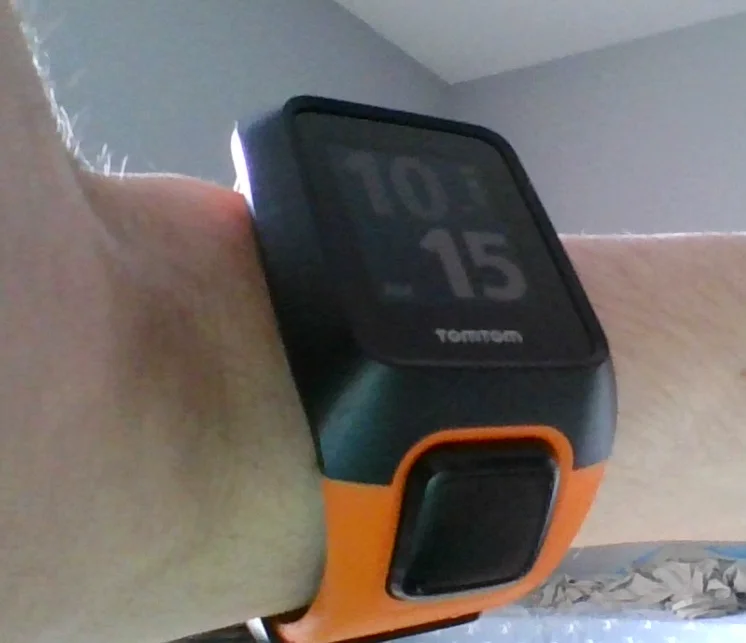
Heart rate variability (HRV) has moved from elite sports labs into everyday running watches and smartphones. It is one of the most sensitive and reliable indicators of your autonomic nervous system status — and therefore your readiness to train hard. Used correctly, HRV monitoring can help you avoid overtraining, time your key sessions, and optimize your training block structure.
What Is HRV and Why Does It Matter?
Heart rate variability measures the millisecond-to-millisecond variation between consecutive heartbeats. A heart beating at 60 bpm does not beat exactly once per second — the interval between beats fluctuates slightly. Higher variability indicates a well-recovered, well-regulated autonomic nervous system. Lower variability indicates physiological stress, whether from training load, illness, poor sleep, or psychological stress.
The key metric most runners use is rMSSD (root mean square of successive differences), which reflects parasympathetic nervous system activity. Higher rMSSD = more recovered. This is the metric captured by most consumer HRV apps and devices.
Key HRV Metrics for Runners
| Metric | What It Measures | Training Implication |
|---|---|---|
| rMSSD | Parasympathetic activity, short-term recovery | Primary metric — track daily trend |
| SDNN | Overall HRV, long-term variability | Reflects long-term fitness and health |
| HRV score (app) | Normalized rMSSD vs personal baseline | Green/yellow/red readiness guidance |
| Resting HR trend | Sympathetic activity indicator | Elevated resting HR + low HRV = poor recovery |
How to Measure HRV Correctly
Consistency is everything with HRV. Measure first thing in the morning before getting out of bed, after waking naturally (alarm disruption affects HRV), and at the same time each day. Lie still and breathe normally for the measurement period (most apps use 60–90 seconds). A single reading means little — trends over 4–8 weeks are what matter.
HRV measurement protocol: Wake naturally → lie still → measure immediately (before checking phone, before coffee). Use the same device and app consistently. Build at least 2 weeks of baseline data before drawing conclusions. Apps like HRV4Training, Elite HRV, or your Garmin/Polar/Whoop device can handle this automatically.
Using HRV to Guide Your Training
The simplest application: when HRV is significantly below your personal baseline (more than 1 standard deviation), replace planned hard sessions with easy effort or rest. When HRV is at or above baseline, proceed with planned intensity. Over time, rising baseline HRV reflects improving fitness and recovery capacity.
Do not make every single decision based on HRV — context matters. A one-off low reading before a planned race day does not mean you should DNS. HRV is most useful as a trend tool and a signal to investigate underlying causes (sleep, nutrition, life stress). For a broader look at recovery monitoring, see our complete running recovery guide.
Overlay Your Running Stats
Add your pace, distance, and heart rate to your running photos and videos — share your stats the way the pros do.
Try PaceOverlay Free →Frequently Asked Questions
What is a good HRV for runners?
HRV is highly individual — comparison to population averages is less useful than tracking your own baseline. Generally, rMSSD values of 50–100 ms are common in trained runners, but what matters most is your personal trend: is your baseline stable, rising, or declining over your training block?
Does HRV improve with training?
Yes. Aerobic training — particularly easy aerobic volume — improves parasympathetic tone and raises HRV baseline over months. A rising long-term HRV trend is one of the best indicators that your training is producing positive adaptations without excessive stress.
Why is my HRV low even when I feel fine?
HRV often detects physiological stress before subjective fatigue appears. Common causes of low HRV with no subjective symptoms include: alcohol consumption the night before (even 1–2 drinks), late-night eating, suboptimal sleep quality, early-stage illness, or accumulated training load not yet perceived as fatigue.
Which devices measure HRV most accurately?
Chest straps (Polar H10, Garmin HRM-Pro) are the gold standard for accuracy. Optical wrist sensors (Apple Watch, Garmin, Whoop) have improved substantially and are accurate enough for trend monitoring, though they can be affected by motion artifacts and skin contact quality.
Final Thoughts
HRV monitoring runners is one of the most evidence-backed ways to improve your running performance. The techniques and principles here — spanning What Is HRV and Why Does It Matter?, Key HRV Metrics for Runners — give you everything you need to train smarter rather than just harder.
The biggest gains come from consistent, progressive application over weeks and months — not from any single workout. Use this guide as your starting framework, track your results honestly, and adjust based on what your body tells you.