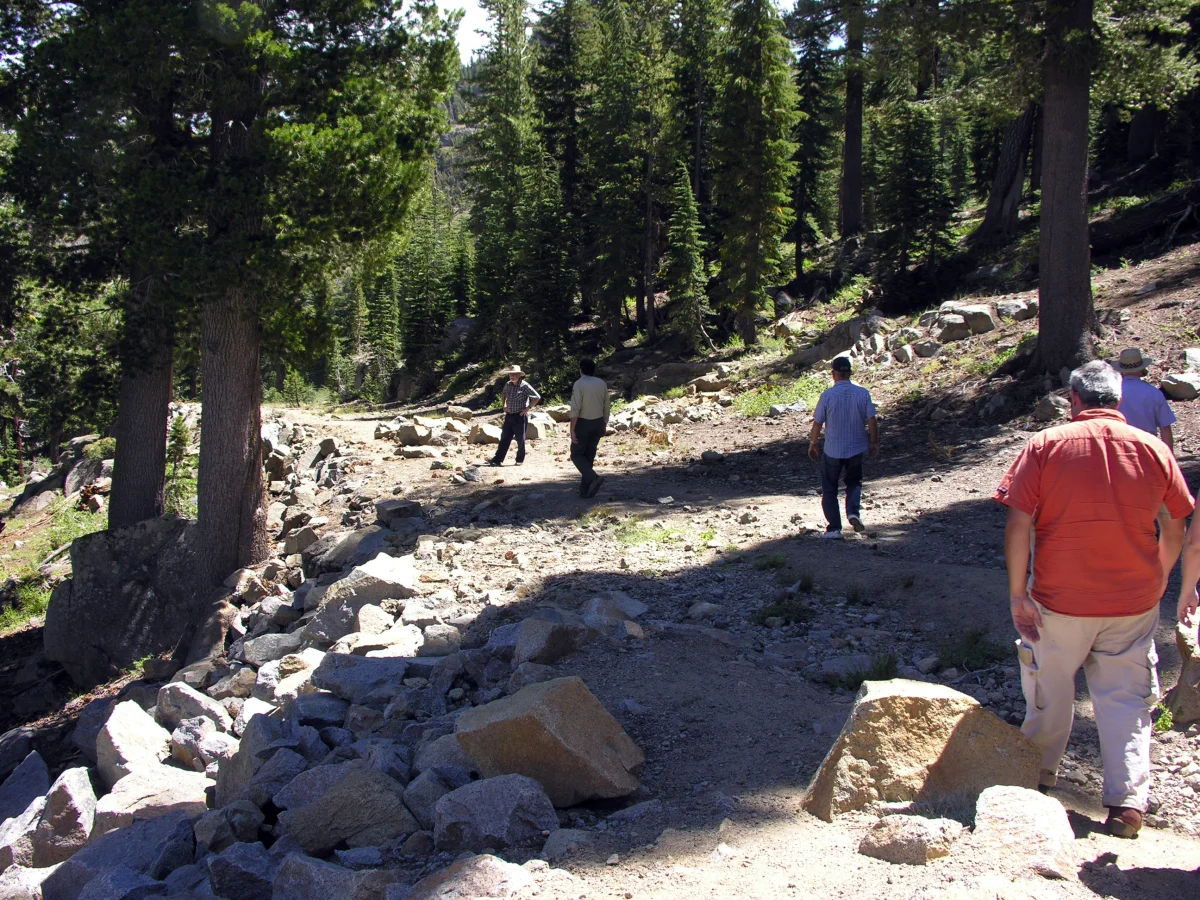
You've been running on roads and you're curious about trails — or you're a trail runner wondering whether road running would help your speed. The truth is that road running and trail running are distinct sports with different demands, different gear, and different communities. Both make you a better runner. But they're not interchangeable.
This guide breaks down every key difference so you can make an informed decision about where to focus your training — or how to balance both.
Surface and Impact
The most fundamental difference is what you're running on. For more detail, see our guide to Treadmill vs Outdoor Running: Which Is Better for You?.
Road running takes place on tarmac, concrete, or paved paths. These surfaces are hard and uniform. The repetitive nature of road running — same surface, same stride, same impact — makes it efficient for building speed and pace, but harder on joints over time.
Trail running covers dirt, gravel, mud, roots, rocks, and grass. The varied surface forces your foot to land differently on every stride, engaging stabilising muscles throughout your ankle, knee, and hip. This variety is actually protective — no single structure takes repeated identical loads.
| Factor | Road Running | Trail Running |
|---|---|---|
| Surface hardness | Hard (concrete/tarmac) | Soft to moderate (dirt/gravel) |
| Impact per stride | Higher | Lower on soft trails |
| Surface consistency | Uniform | Constantly varied |
| Muscle recruitment | Primary running muscles | Full leg + stabilisers |
| Pace tracking | Very accurate by GPS | Pace varies wildly with terrain |
Injury Risk: Which Is Safer?
Both surfaces carry injury risks — just different ones.
Road running injuries tend to be overuse injuries: shin splints, stress fractures, IT band syndrome, and plantar fasciitis. These result from repetitive loading of the same structures over and over. High weekly mileage on roads without adequate recovery is the primary culprit.
Trail running injuries more commonly involve acute injuries: ankle sprains from uneven ground, cuts and bruises from falls, and muscle soreness from climbing and descending. Falls are common, especially for beginners on technical terrain.
Studies suggest that per kilometre of running, trail running has a lower rate of overuse injury than road running, primarily because the softer surface and varied stride reduce cumulative load. However, the acute injury rate (sprains, falls) is higher on trails.
💡 Bottom line: Road running = higher overuse injury risk. Trail running = higher acute injury risk. Your ideal choice depends on your history and movement patterns.
Gear Requirements
Shoes
This is where the biggest difference lies. Road running shoes are cushioned and lightweight, optimised for efficient forward movement on flat, predictable surfaces. Trail running shoes have aggressive lugged outsoles for grip on mud and loose ground, reinforced uppers to protect against rocks and roots, and often a rock plate in the midsole to prevent bruising on sharp terrain.
Do not run trails in road shoes on technical terrain — the lack of grip is genuinely dangerous on wet roots or steep descents. Conversely, trail shoes are less efficient on roads due to the heavier, lugged construction.
Other Trail-Specific Gear
- Running vest or hydration pack — trails often have no water stops; carry your own
- Poles — optional but helpful on long, steep mountain runs
- Headlamp — mandatory if you might be out after dark
- Navigation — phone with offline maps or GPS watch with mapping; trails aren't always marked
- Emergency layer — temperature on trails can change rapidly; carry a lightweight jacket
Fitness Benefits: What Each Develops
Road running develops pure cardiovascular efficiency, pace control, and race-specific speed. If your goal is a faster 5K, 10K, half marathon, or marathon, road running should form the majority of your training. The flat, consistent surface lets you work at specific paces with precision.
Trail running develops functional strength, balance, and proprioception. The climbing and descending engage your glutes, quads, calves, and hip flexors in ways that flat road running doesn't. Many road runners who add trail sessions report stronger legs and better overall running economy.
Mental Experience
This is often the deciding factor for many runners. Road running can feel repetitive — urban routes, traffic, the same pavements. Trail running, by contrast, offers constantly changing scenery, natural environments, and the meditative quality of navigating uneven ground that requires your full attention.
Trail running communities tend to be highly social — group trail runs, ultramarathon events, and mountain races all have a collaborative spirit that's different from the more competitive road racing scene.
Pace on Trails vs Roads
Trail running pace is almost always slower than road running pace — sometimes dramatically. Climbing, technical footing, navigation, and softer surfaces all reduce speed. A runner who averages 5:00/km on roads might average 7:00–9:00/km on moderate trails. This is expected and normal.
For this reason, most trail runners train by time on feet rather than distance, and use heart rate rather than pace to gauge effort. "I ran for 2 hours" is more meaningful on trails than "I ran 15 km."
Which Should You Choose?
If your primary goal is racing (parkrun, 5K, 10K, half marathon, marathon): road running should be your main focus. Add one trail run per week for variety and strength.
If your primary goal is general fitness and enjoyment: trail running is hard to beat. It's more engaging, builds full-body strength, and is lower impact for long-term joint health.
If you love racing but want variety: consider trail racing. Trail 10Ks, half marathons, and ultramarathons are growing rapidly. They're less about finishing time and more about completing the distance.
Overlay Your Running Stats
Add your pace, distance, and heart rate to your running photos and videos — share your stats the way the pros do.
Try PaceOverlay Free →FAQ: Road vs Trail Running
Can I use road running shoes on trails?
On well-packed gravel or easy dirt paths, road shoes are fine. On wet, rocky, or technical terrain, they're genuinely dangerous. The lack of grip on wet roots can cause falls. If you plan to run trails regularly, trail shoes are worth the investment.
Does trail running make you faster on roads?
Many runners find that adding trail runs improves their road speed. The strength built from hills and uneven terrain translates to a more powerful stride on roads. Elite road runners often use mountain trails for training camps precisely for this reason.
Is trail running harder than road running?
At equal distances, yes — usually significantly. Hills, technical footing, and softer surfaces all increase perceived effort. A 10 km trail run at moderate effort is typically much harder than a 10 km road run at the same pace. This is why trail runners use time and heart rate rather than distance and pace.
Conclusion
Road running and trail running each have unique advantages. Road running builds speed and race-specific fitness; trail running builds strength, balance, and provides a more engaging sensory experience. The best approach for most runners: use roads for quality training sessions (tempo, intervals, long runs at target pace) and trails for recovery runs and adventure. You'll be a stronger, more complete runner for doing both.