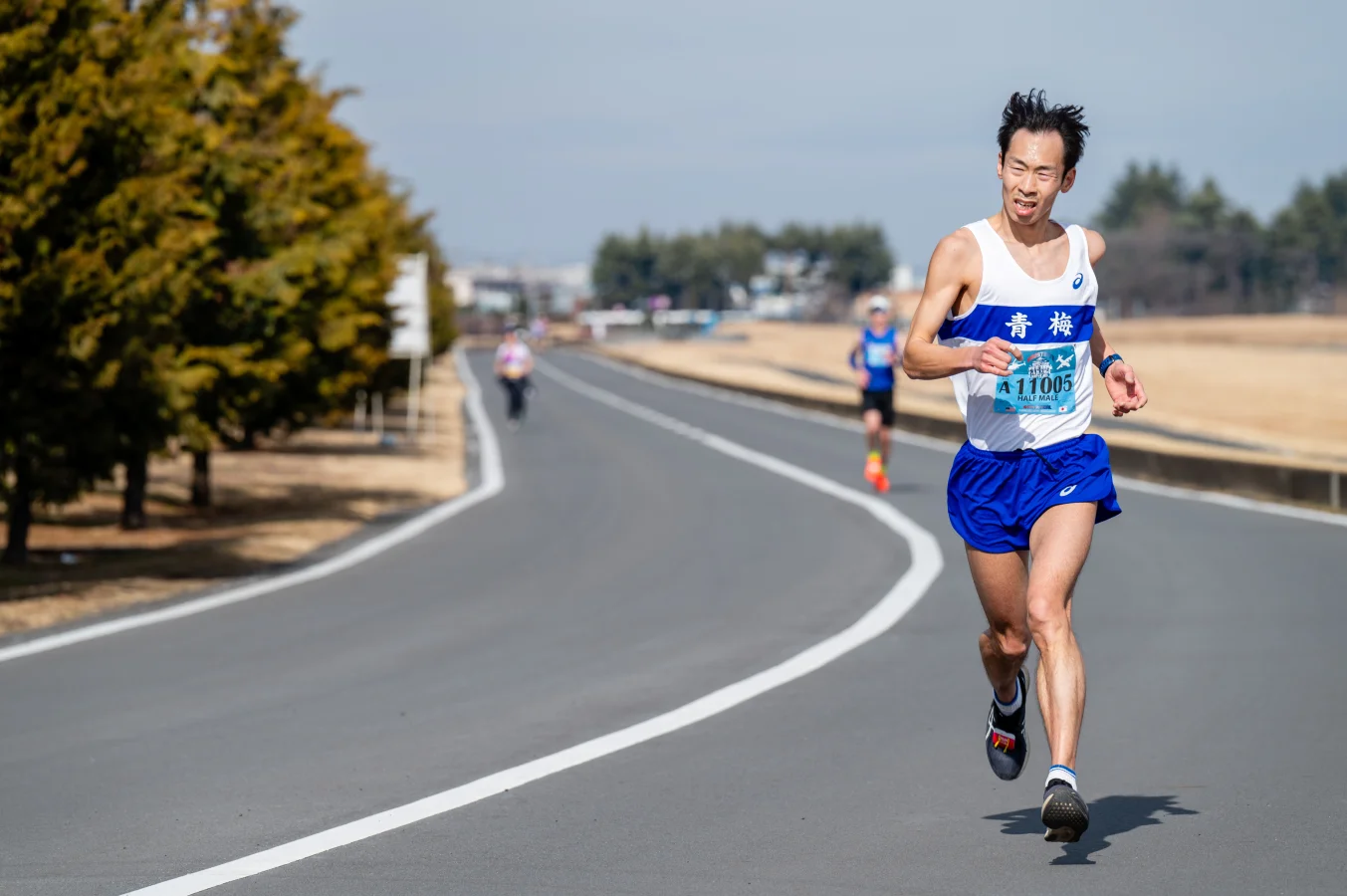
Knowing what to wear for running is genuinely confusing when you're starting out. Walk into any sports retailer and you'll face hundreds of options at wildly varying prices. The good news: you don't need much. A few well-chosen pieces cover almost every condition, and the core rules — moisture-wicking fabric, proper shoes, dress for 10°C warmer than it is — get you through the vast majority of your runs.
The Most Important Item: Your Running Shoes
Nothing matters more than your running shoes. Running is a high-impact activity — at easy pace, each foot strike generates roughly 1.5 to 2 times your body weight in force. Shoes are the only thing between your foot and that force. Cross-trainers, casual sneakers, and fashion athletic shoes are not designed for this and significantly increase injury risk.
Go to a dedicated running store (not a general sports retailer) and ask for a gait assessment. Staff will watch you walk or jog briefly and recommend shoes matched to your foot strike pattern and arch type. Expect to spend $100–$160 USD for a quality beginner shoe. The top beginner-friendly brands are Brooks, ASICS, Saucony, Hoka, and New Balance — all make excellent entry-level options.
Replace shoes every 500–800 kilometres. The cushioning breaks down before the upper does, so shoes can look fine while providing inadequate protection. If your knees or shins start aching after months of pain-free running, new shoes are often the fix.
Fabric Matters: Avoid Cotton at All Costs
Cotton absorbs and holds moisture. In warm weather, a cotton shirt becomes a heavy, wet rag against your skin within 15 minutes of running. In cold weather, it dramatically accelerates heat loss and raises hypothermia risk. Cotton is comfortable on the sofa; it's miserable to run in.
The fabric you want is moisture-wicking synthetic: polyester, nylon, or blends specifically designed for athletic use. These fabrics pull sweat away from your skin and allow it to evaporate quickly, keeping you drier and more comfortable. Merino wool is a premium natural alternative with excellent moisture management and odour resistance — more expensive but worth it for base layers.
Check the label on anything you're considering for running. If it says 100% cotton, put it back. Look for terms like "Dri-FIT" (Nike), "Climalite" (Adidas), "DriFast" or any equivalent — these indicate moisture-wicking construction.
| Item | What to Look For | Approximate Cost |
|---|---|---|
| Running shoes | Running-specific, gait-matched, from a running store | $100–$160 |
| Running socks | Moisture-wicking, no cotton, good fit | $10–$20 per pair |
| Shorts or tights | Moisture-wicking, built-in liner or compression | $30–$60 |
| Short-sleeve top | Moisture-wicking, flatlock seams to prevent chafing | $25–$55 |
| Long-sleeve top | Moisture-wicking, for cool weather runs | $35–$65 |
| Light running jacket | Wind-resistant, packable, breathable | $60–$120 |
| Sports bra (if applicable) | Supportive, moisture-wicking, sized correctly | $35–$70 |
How to Dress by Temperature
The standard guidance is to dress as if the temperature is 10°C (18°F) warmer than it is. Once you start running, your body generates significant heat. If you feel perfectly comfortable before heading out the door, you're almost certainly overdressed.
Above 20°C (68°F): shorts and a moisture-wicking short-sleeve top. Consider a cap for sun protection. Carry water or plan a route near water fountains. Sunscreen on any exposed skin.
10°C–20°C (50–68°F): shorts or capri tights, moisture-wicking short or long sleeve top. Light gloves optional on the cooler end. This is most runners' favourite temperature range.
0°C–10°C (32–50°F): running tights, long-sleeve base layer, and a light running jacket or vest. Gloves and a headband or lightweight hat for the colder end of this range.
Below 0°C (32°F): thermal tights, two upper layers plus a wind-resistant jacket, gloves, and a hat covering your ears. A neck gaiter is valuable below -5°C.
The Hidden Essential — Running Socks: Bad socks cause blisters. Running-specific socks have targeted cushioning, moisture-wicking fibre, and a snug fit that prevents slipping inside your shoe. A $15 pair of Balega or Feetures socks will outlast and outperform a $2 cotton sock every time. Buy at least three pairs — enough to rotate through a week of runs without doing laundry daily.
Extras Worth Having
A GPS watch or running-capable phone app is useful for tracking pace, distance, and time. You don't need to spend $500 — a basic Garmin Forerunner or even just Strava on your phone provides all the data a beginner needs.
A running armband or flipbelt lets you carry your phone without holding it. Holding your phone changes your arm swing and can contribute to shoulder and upper back tension over longer runs.
Anti-chafe balm (Body Glide is the most popular brand) prevents raw, painful chafing on long runs. Apply to inner thighs, underarms, nipples (especially for men on runs over 10km), and anywhere clothing rubs your skin. This small purchase prevents a genuinely miserable type of injury.
Reflective gear or a clip-on light is essential if you run before dawn or after dusk. Drivers need to see you. A clip-on running light from Amazon costs under $15 and is worth every cent for your safety. For a complete breakdown of what you need at each stage of your running journey, see our Complete Beginner's Guide to Running.
Overlay Your Running Stats
Add your pace, distance, and heart rate to your running photos and videos — share your stats the way the pros do.
Try PaceOverlay Free →Frequently Asked Questions
Can I run in regular gym clothes?
Yes, as long as they're moisture-wicking. Shorts and a fitted athletic top from any brand work fine. The one thing you cannot substitute is proper running shoes — those need to be running-specific regardless of what you wear on your upper body.
What should beginners wear when running in the rain?
A lightweight, water-resistant running jacket over your usual run kit works well for light rain. For heavy rain, a full waterproof jacket is useful, but be aware it reduces breathability significantly. A cap with a brim keeps rain out of your eyes. Avoid puddles when possible to keep your feet dry — wet feet lead to blisters more quickly.
Do I need compression gear as a beginner?
Not necessarily. Compression tights and socks can improve recovery and reduce muscle fatigue, but for beginner running at low weekly volumes the benefit is minimal. Focus on proper shoes and moisture-wicking basics first. If you find your legs feeling very heavy after runs, compression socks during recovery can help.
How tight should running clothes fit?
Snug enough not to flap or ride up, but never restrictive. Running tights should feel like a second skin without squeezing. Tops should be fitted but allow full arm movement. Avoid anything loose enough to catch wind or rub in unexpected places during movement — that's where chafing and blisters come from.
Final Thoughts
The most important thing about what to wear for running is that it is learnable. The principles covered in this guide — from The Most Important Item: Your Running Shoes, Fabric Matters: Avoid Cotton at All Costs — give you a proven framework to work from, regardless of your current fitness level.
Start with one change this week. Apply it consistently across a few runs, assess the results, and build from there. Running rewards patience and consistency more than any other input. Show up regularly, progress gradually, and the improvements follow.