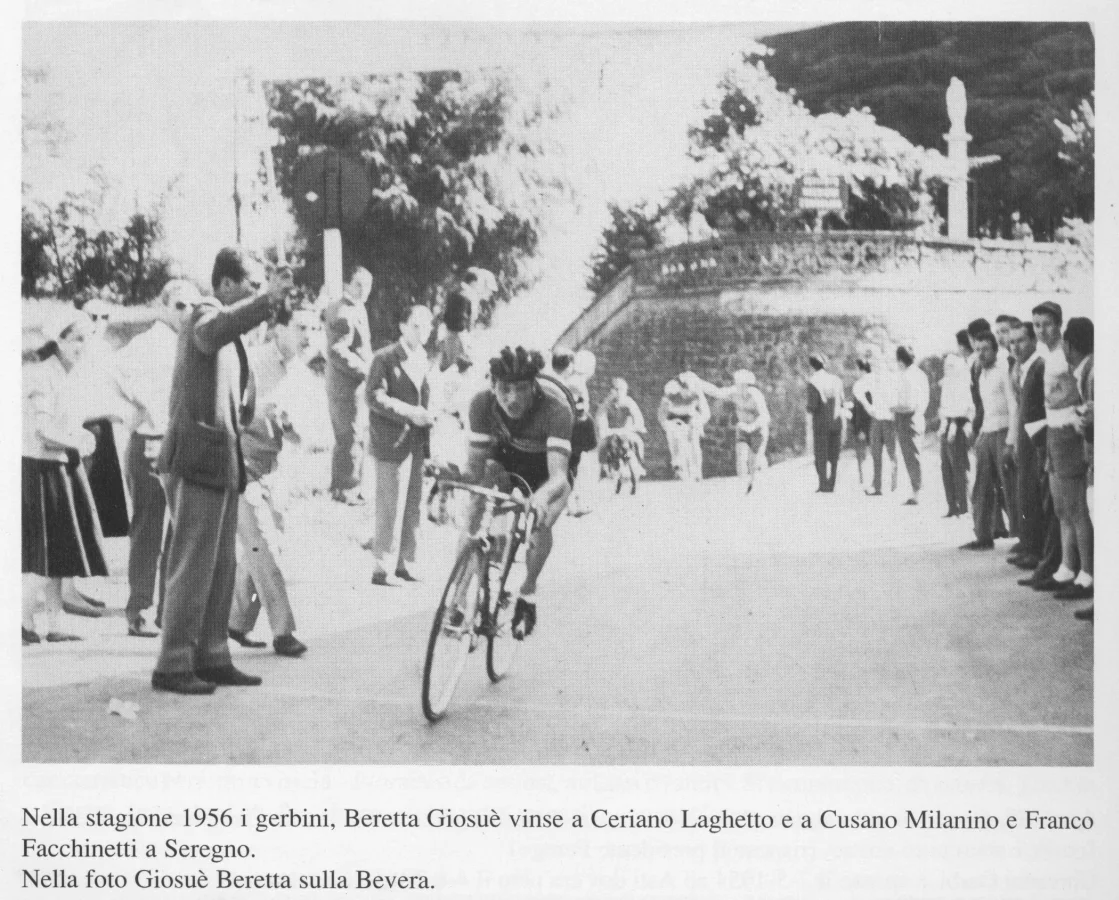
A century ride — 100 miles on the bike — is the bucket-list event for many cyclists. It's long enough to demand genuine preparation but achievable by anyone willing to commit to a 12–16 week training plan. This century ride training guide covers everything from building your base to crossing the finish line strong, including nutrition, pacing, and the mental side of riding all day.
How Long Does It Take to Train for a Century?
Your starting fitness determines your timeline. If you're currently riding 3–4 hours per week comfortably, 12 weeks is realistic. Starting from near zero, allow 20–24 weeks. The key benchmark: before ramping up toward event-specific training, you should complete at least two or three back-to-back rides of 2+ hours without excessive fatigue.
The structure of any century training plan mirrors the broader principles in our cycling endurance training guide: build aerobic base, add progressive long rides, introduce some intensity, then taper for two weeks before the event. We cover this in depth in our Cycling Cadence Training: Find Your Optimal Pedalling Rate guide.
12-Week Training Structure
Here's how a 12-week build breaks down across three phases:
| Phase | Weeks | Weekly Hours | Longest Ride |
|---|---|---|---|
| Base | 1–4 | 6–8 hrs | 40–50 miles |
| Build | 5–9 | 8–11 hrs | 65–80 miles |
| Peak & Taper | 10–12 | 6–4 hrs | 50 miles → Event |
Every third or fourth week, reduce volume by 30–40% for a recovery week before progressing. Never skip recovery weeks — this is when your body actually adapts to the training load.
The Long Ride Is Everything
Your weekly long ride is the cornerstone of century preparation. Progress it consistently:
- Weeks 1–4: Build from 30 miles to 50 miles at comfortable Zone 2 pace
- Weeks 5–7: Progress to 60–70 miles, practicing race-day nutrition every hour
- Weeks 8–9: Complete one or two rides of 70–80 miles — your peak long effort
- Weeks 10–11: Drop to 50 miles and 35 miles as your taper begins
- Week 12: Rest, then event day
You do NOT need to ride 100 miles in training. Your longest preparation ride should be 75–80 miles. Taper-fresh legs on event day, combined with the adrenaline of the group start and aid stations, carry you the rest of the way.
Rule of Thumb: If you can comfortably ride 75% of the event distance in training, you can complete the event. Focus your final weeks on arriving at the start line rested and confident.
Pacing Strategy for 100 Miles
Pacing is where century rides are won or lost. Go out 10% too hard in the first 30 miles and the final 20 will be a death march. Use these guidelines:
- Target 60–65% of FTP for the first half — it will feel embarrassingly easy
- Ride by feel on climbs; power is more useful on flats and descents
- Eat and drink before you're hungry or thirsty — hunger at mile 60 means you're already behind
- Use drafting in groups to reduce energy expenditure by 20–30%
- Increase effort slightly in miles 70–90 if you feel strong; save an absolute sprint for the final mile
Nutrition and Hydration on the Bike
A century burns 2,500–5,000 calories depending on your weight and pace. You cannot replace all of that on the bike, but you must replace enough to avoid the dreaded bonk. Aim for 60–90 grams of carbohydrates per hour from mile 30 onward. That's roughly one energy gel plus a bar, or two bars, every hour.
For hydration, drink 16–24 oz (500–750 ml) per hour, increasing in hot weather. Use electrolyte mix or sodium tablets every 45–60 minutes to avoid hyponatremia on very long rides. Practice your exact nutrition strategy on your long training rides. Event day is not the time to try new products. See our full cycling nutrition for long rides guide for detailed fueling protocols.
Overlay Your Running Stats
Add your pace, distance, and heart rate to your running photos and videos — share your stats the way the pros do.
Try PaceOverlay Free →Frequently Asked Questions
How fast should I ride a century?
First-time century riders typically average 12–16 mph including stops, finishing in 6.5–9 hours. Experienced riders average 17–20 mph, finishing in 5–6 hours. The goal for a first century is finishing — speed comes with subsequent events.
What should I eat the night before a century ride?
A carbohydrate-rich dinner the evening before — pasta, rice, or potatoes with lean protein. Avoid high-fat or high-fiber foods that could cause GI distress. Eat a normal-sized meal rather than gorging; your glycogen stores are topped off from the prior week of carb-focused eating.
Can I walk during a century ride?
Absolutely. Aid station stops, getting off to stretch, and walking steep grades are all perfectly normal and strategic. Professional ultra-cyclists walk technical sections to save knees and energy. Do not feel any stigma about stopping — finishing is what counts.
What gear do I need for a century ride?
Beyond a well-fitted bike: at least two water bottles or a hydration pack, a saddle bag with a spare tube, tire levers, a CO2 inflator or mini pump, a multi-tool, a phone, and emergency cash. Padded cycling shorts, chamois cream, and sunscreen are non-negotiable for a 5–9 hour ride.
Final Thoughts
Mastering century ride training guide takes deliberate practice, but the payoff — better efficiency, higher power output, and more enjoyment on the bike — is worth every session. The guidance here on How Long Does It Take to Train for a Century?, 12-Week Training Structure gives you a solid foundation to build from.
Apply one or two takeaways from this guide on your next ride. Small, consistent improvements compound into significant gains over a season. Stay patient, trust the process, and enjoy the journey.