A cycling power meter is the single most impactful training tool you can add to your bike. Unlike heart rate — which lags, drifts with fatigue and caffeine, and climbs in heat — power is immediate, objective, and perfectly repeatable. If you want to train with structure rather than feel, this cycling power meter guide will help you decide whether to invest and how to get the most from your data.
How Cycling Power Meters Work
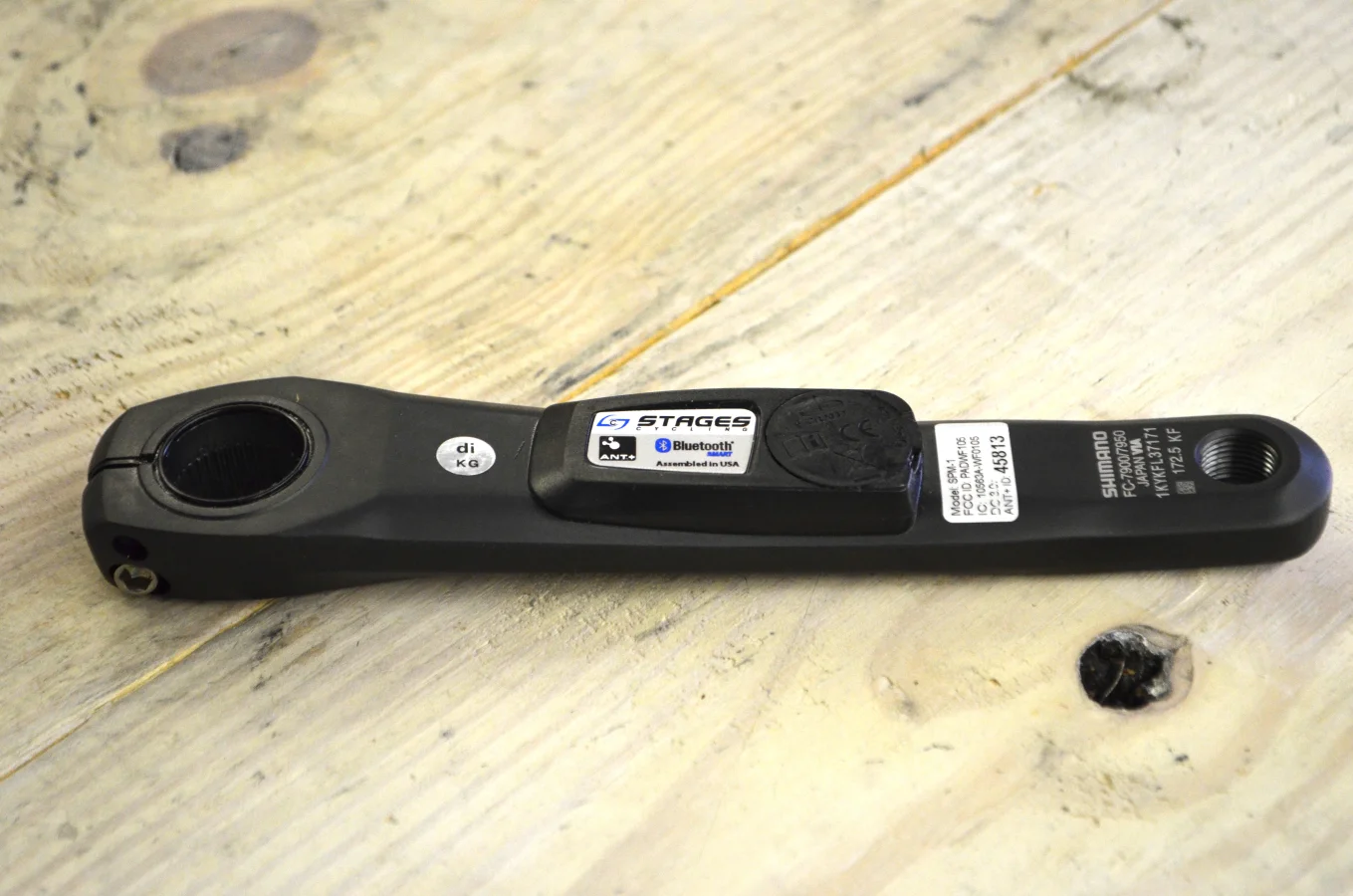
Power meters measure the force you apply to the drivetrain and multiply it by the speed of rotation. The result — expressed in watts — represents your actual mechanical output at any given moment. Most units use strain gauges embedded in the crank, pedal, or hub that flex microscopically under load, sending data via Bluetooth or ANT+ to your head unit.
The fundamental formula is simple: Power (W) = Force (N) × Cadence (rpm) × a constant. What matters is that the device captures this calculation dozens of times per second, giving you a precise, real-time picture of your effort that heart rate simply cannot replicate.
Combining power data with your cycling endurance training strategy allows you to target exact physiological zones and track adaptation over time.
Types of Power Meters
The market offers five main placement options, each with different accuracy profiles and price points:
| Type | Placement | Accuracy | Price Range |
|---|---|---|---|
| Pedal | Pedal axle | ±1–2% | $300–$800 |
| Crank Arm | Left or dual crank | ±1–2% | $200–$600 |
| Spider | Crank spider | ±1% | $600–$1,200 |
| Bottom Bracket | BB axle | ±1–2% | $400–$700 |
| Hub | Rear wheel hub | ±1% | $500–$900 |
Pedal-based systems are the most popular for riders with multiple bikes because they swap easily. Single-sided crank-arm units are the most affordable entry point but measure only the left leg and double the reading — which introduces error if you have significant leg imbalance.
Do You Need a Power Meter?
For recreational riders doing two casual rides a week, a power meter is a luxury. For anyone following a structured training plan — or preparing for a century ride, gran fondo, or triathlon — a power meter is a genuine necessity. Here's why:
- Pacing accuracy: Start a climb 10 watts too hard and you'll blow up; a power meter prevents this every time.
- Zone targeting: Sweet spot and threshold intervals require power to hit accurately. Heart rate can take 3–5 minutes to stabilize into the correct zone.
- Progress tracking: FTP gains measured in watts are unambiguous. There's no debate about whether fitness improved.
- Fatigue management: Metrics like Training Stress Score and Chronic Training Load, built from power data, help you avoid overtraining.
Key Insight: If you've ever bonked on a long ride or gone out too hard and faded badly, a power meter would have prevented it. Pacing by feel consistently leads to uneven effort distribution — power keeps you honest.
How to Use Power Data Effectively
Owning a power meter without a plan is like owning a GPS without a destination. Use your data as follows:
- Set your FTP first: Run a ramp test or 20-minute test after a recovery week. See our cycling FTP training guide for the full protocol.
- Train in zones: Every ride should have a target zone. Zone 2 endurance rides, sweet spot intervals, and VO2 max efforts each serve a different adaptation.
- Review after every ride: Check normalised power, variability index, and average vs. maximum power to understand how your ride was paced.
- Track chronic load: Use Training Peaks, Garmin Connect, or Wahoo's fitness tools to monitor fitness trends over weeks, not individual sessions.
Calibration and Accuracy Tips
A power meter is only as good as its calibration. Follow these practices to keep readings reliable:
- Perform a zero-offset (static calibration) before every ride, especially in cold weather
- Allow 10–15 minutes for the unit to reach ambient temperature before calibrating
- Check battery level monthly — low batteries cause erratic readings
- Inspect strain gauge areas for damage after crashes or rough transport
Accuracy claims of ±1% are under laboratory conditions. Real-world accuracy of ±2% is typical and more than sufficient for training purposes.
Overlay Your Running Stats
Add your pace, distance, and heart rate to your running photos and videos — share your stats the way the pros do.
Try PaceOverlay Free →Frequently Asked Questions
Is a single-sided power meter accurate enough for training?
For most recreational and amateur riders, yes. Single-sided units double the left-leg reading, which introduces some error if you have significant imbalance. If you're racing at a high level or want to track leg balance for rehabilitation purposes, dual-sided is worth the extra cost.
Can I use a power meter on a trainer?
Yes, and this is one of the best use cases. Direct-drive smart trainers also measure power, so you can cross-check readings between your power meter and the trainer to verify accuracy. Small discrepancies of 2–3% between devices are normal.
How do I know if my power meter is accurate?
Compare it against a known reference — either a calibrated lab ergometer or a second power meter on the same bike. If your readings are within ±2% of the reference, the device is performing correctly. Sudden drops or spikes in data usually indicate a calibration issue or low battery.
Final Thoughts
Mastering cycling power meter takes deliberate practice, but the payoff — better efficiency, higher power output, and more enjoyment on the bike — is worth every session. The guidance here on How Cycling Power Meters Work, Types of Power Meters gives you a solid foundation to build from.
Apply one or two takeaways from this guide on your next ride. Small, consistent improvements compound into significant gains over a season. Stay patient, trust the process, and enjoy the journey.