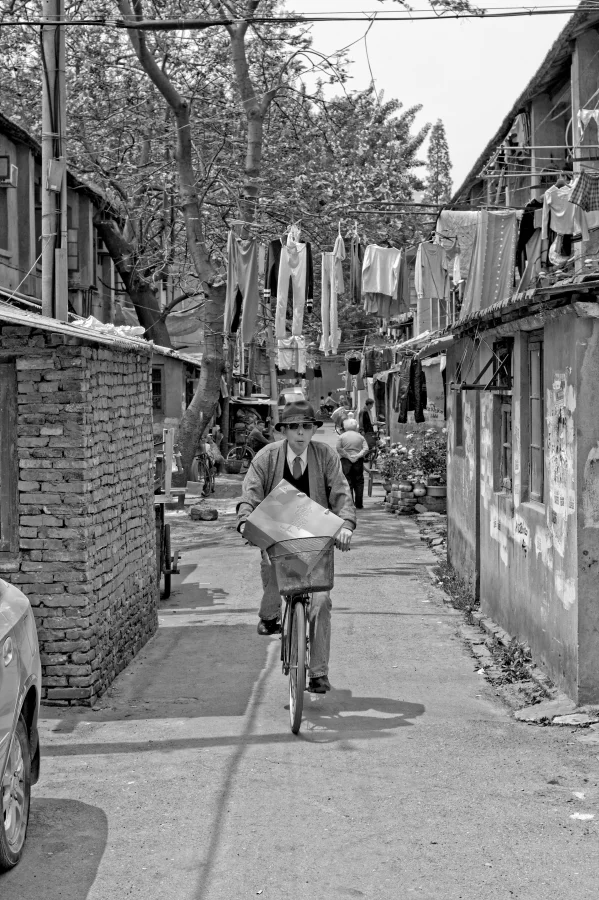
A cycling commuting guide is the best starting point for anyone considering ditching public transport or car trips for something faster, cheaper, and healthier. Bike commuting builds fitness automatically into a busy schedule, eliminates parking costs, and often proves faster than driving in congested cities — but it does require a little planning to get right from day one.
Planning Your Commute Route
Your fastest driving route is rarely your best cycling route. Before your first commute, spend time on a mapping app that has cycling-specific routing (Google Maps cycling layer, Komoot, or Strava Heatmap) and look for options that prioritise dedicated bike lanes, quiet residential streets, and shared paths over major arterials.
Do a dry run on a weekend morning when traffic is light. Note any pinch points — narrow lanes, aggressive junctions, sections without cycling infrastructure — and identify alternatives. A route that takes five minutes longer but avoids two dangerous junctions is almost always the better choice. Once you have identified your primary route, plan a backup route for when roadworks or events block your path.
Essential Commuter Cycling Gear
You do not need expensive gear to start commuting, but a few essentials make the experience dramatically better.
| Item | Why It Matters | Budget Option |
|---|---|---|
| Helmet | Non-negotiable safety item | Any certified helmet under $80 |
| Front and rear lights | Required by law in most countries at night | USB rechargeable set, $25–40 |
| Mudguards (fenders) | Keeps you clean in wet conditions | Clip-on fenders, $20–35 |
| Rear rack or panniers | Carries work gear without a backpack | Basic rack, $30–60 |
| Puncture-resistant tyres | Reduces chance of stranded roadside repairs | Schwalbe Marathon or similar |
| High-visibility vest or jacket | Makes you visible to drivers in low light | Hi-vis vest, $10–20 |
Bike Security and Locking Strategy
Bike theft is a genuine deterrent to commuting. A good locking strategy removes most of the risk without requiring a fortress-grade lock on every journey.
Tip: Spend at least 10–15 % of your bike's value on a lock. A $600 bike secured with a $10 cable lock will be stolen. Use a quality D-lock or folding lock (Kryptonite, Abus, Hiplok) through the frame and rear wheel, and if you have a second lock, use it on the front wheel. Always lock to an immovable object — a sign post or bike stand, never a temporary barrier.
At work, find indoor secure storage if it exists — many employers are required to provide it. If parking outside, choose a busy, well-lit, CCTV-covered location. Register your bike's serial number with a national database (Bike Index, BikeRegister) so it can be returned if recovered after theft.
All-Weather Cycling: Rain, Wind, and Cold
The biggest barrier to consistent commuting is weather. The solution is not to wait for perfect days — it is to have the right kit for each condition and accept that riding in light rain is genuinely enjoyable once you are properly equipped.
For rain: a breathable waterproof jacket (not just water-resistant), waterproof overshoes, and mudguards make wet commutes manageable. For cold: layer with a base layer, insulating mid-layer, and wind-proof outer. Hands and feet lose heat fastest — waterproof gloves and winter cycling shoes or overshoes are worth every penny. For wind: plan your route so you face the headwind in the morning when you are fresh and have a tailwind home as a reward.
Pair your commuting habit with structured training for weekend rides and events — our Complete Guide to Cycling Endurance shows how to build fitness progressively alongside everyday riding.
Overlay Your Running Stats
Add your pace, distance, and heart rate to your running photos and videos — share your stats the way the pros do.
Try PaceOverlay Free →Frequently Asked Questions
What type of bike is best for commuting?
A hybrid or flat-bar road bike is the most versatile commuter option — faster than a mountain bike on pavement, more comfortable and practical than a drop-bar road bike. If your route involves rougher surfaces, a gravel bike with 38–42 mm tyres is an excellent all-rounder. The most important factors are reliable brakes, mounting points for mudguards and a rack, and tyres that resist punctures.
How do I stay fresh when I arrive at work after cycling?
The simplest approach is to ride easy (Zone 1–2 effort) on the way to work so you do not arrive sweaty, then ride harder on the way home. If shower facilities exist at work, you can ride harder in the morning. Carry a small toiletry kit (deodorant, face wipe, fresh shirt) in your pannier. Many regular commuters keep a set of work clothes at the office to avoid carrying them daily.
Is cycling commuting safe in heavy traffic?
It is safer than most people perceive, especially with good route choice and confident road positioning. Ride assertively — take the lane when necessary to prevent dangerous passing in narrow spots. Make eye contact with drivers at junctions. Use lights even during the day for visibility. Statistics consistently show that the health benefits of regular cycling commuting significantly outweigh the injury risk, even in cities without dedicated cycling infrastructure.
Final Thoughts
Mastering cycling commuting guide takes deliberate practice, but the payoff — better efficiency, higher power output, and more enjoyment on the bike — is worth every session. The guidance here on Planning Your Commute Route, Essential Commuter Cycling Gear gives you a solid foundation to build from.
Apply one or two takeaways from this guide on your next ride. Small, consistent improvements compound into significant gains over a season. Stay patient, trust the process, and enjoy the journey.