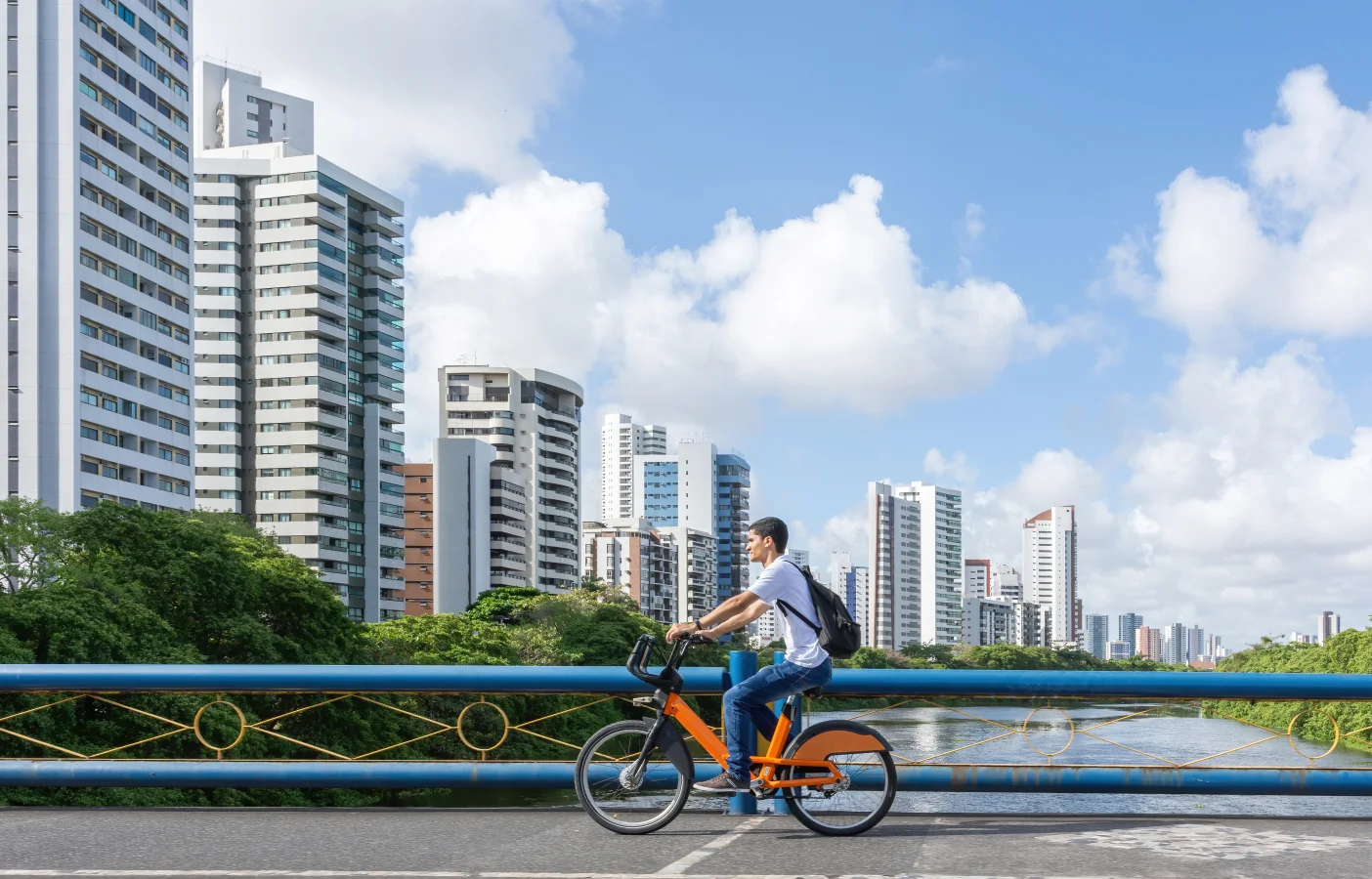
Cycling is one of the most enjoyable, joint-friendly, and effective forms of cardio you can do. It burns calories, builds leg strength, improves cardiovascular fitness, and lets you cover ground at a pace that feels genuinely exhilarating. The good news for beginners: cycling has a much lower barrier to entry than most people think.
This guide covers everything you need to get started — from choosing the right bike to building your first fitness base to sharing your rides online.
Why Cycling Is One of the Best Sports for Beginners
Unlike running, cycling is low-impact — your body weight is supported by the bike, which makes it easier on your knees, hips, and ankles. This makes it a great choice if you're returning to fitness after a break, dealing with a minor injury, or just prefer not to pound the pavement.
The learning curve is also gentle. Once you can ride a bike, your early sessions are about building fitness and confidence — not learning complex technique. Within a few weeks, a complete beginner can comfortably ride 10–15 km. Within two to three months, 30–40 km rides become achievable.
Choosing Your First Bike: Road, Mountain, or Hybrid?
The bike you choose should match where you plan to ride. The three main types for beginners:
| Type | Best For | Terrain | Price Range |
|---|---|---|---|
| Road bike | Speed, long distances, pavement | Smooth roads | $400–$1,500+ |
| Mountain bike | Trails, gravel, rough surfaces | Off-road, gravel | $350–$1,200+ |
| Hybrid bike | Commuting, casual rides, mixed terrain | Roads + light trails | $300–$900 |
For most beginners who plan to ride on roads and bike paths, a hybrid bike is the ideal choice. It sits upright (more comfortable for new riders), handles light gravel, and doesn't require expensive specialist gear.
💡 Beginner tip: Buy from a local bike shop rather than online. A shop will fit the bike to your body and include a basic tune-up, which makes a significant difference to comfort and safety.
Essential Gear Before Your First Ride
Helmet (Non-Negotiable)
A properly fitted helmet is the single most important piece of cycling gear. Look for one with a CPSC or CE EN 1078 safety certification. It should sit level on your head, two fingers above your eyebrows, with the straps forming a V-shape under each ear. If it rocks forward or back, it's too loose.
Padded Cycling Shorts
Saddle discomfort is the number one reason beginners give up cycling. Padded shorts (chamois) dramatically reduce friction and pressure on your sit bones. You don't need expensive bib shorts — a basic pair for $30–$50 will transform your comfort on rides over 20 minutes.
Other Useful Gear
- Gloves — reduce pressure on your palms and improve grip
- Water bottle and cage — hydration is critical on any ride over 30 minutes
- Lights (front and rear) — essential if there's any chance of riding in low light
- Pump and spare tube — flat tyres happen; carry the fix with you
- GPS cycling computer or phone mount — to track your speed, distance, and route
Your First Rides: How to Build Fitness Safely
The biggest beginner mistake is going too hard too soon. Cycling fitness builds quickly, but your connective tissue — tendons, ligaments — adapts more slowly than your cardio system. Ramping up too fast leads to knee pain and saddle soreness that can sideline you for weeks.
Follow this simple progression for your first four weeks:
| Week | Sessions | Distance Per Ride | Intensity |
|---|---|---|---|
| 1 | 2–3 | 8–12 km | Easy — conversational pace |
| 2 | 3 | 12–18 km | Easy, with gentle hills |
| 3 | 3 | 18–25 km | Moderate — slightly harder effort |
| 4 | 3–4 | 20–30 km | Mix of easy and moderate |
At this pace, by the end of month one, you'll be riding distances that would have seemed impossible when you started. The key is consistency over intensity — three short rides per week beat one long exhausting one.
Understanding Your Cycling Stats
Once you start tracking your rides (with a GPS watch, cycling computer, or your phone), you'll encounter several key metrics:
- Speed (km/h or mph) — your current or average speed. Beginners typically average 15–20 km/h on flat ground.
- Distance (km or miles) — total ride distance. Your most tangible measure of progress.
- Cadence (RPM) — how many times your pedals complete a full revolution per minute. Aim for 80–90 RPM as a beginner for efficiency.
- Elevation gain (metres) — total climbing in the ride. A good way to measure route difficulty.
- Heart rate (BPM) — your cardiovascular effort. For easy rides, stay below 75% of your max heart rate.
Sharing Your Cycling Achievements
One of the biggest motivators for new cyclists is sharing their progress. When you post a ride photo with your distance and time overlaid, it makes the achievement visible and encourages the community to engage.
With PaceOverlay's free image overlay tool, you can add your distance, time, and speed to any cycling photo in under a minute — no design skills needed. For video content, the video overlay tool syncs your cycling GPX data with your footage to show live speed and route updates frame by frame.
Overlay Your Running Stats
Add your pace, distance, and heart rate to your running photos and videos — share your stats the way the pros do.
Try PaceOverlay Free →Common Beginner Mistakes (and How to Avoid Them)
Wrong Saddle Height
Your saddle should be high enough that your knee has a slight bend (not fully straight) at the bottom of the pedal stroke. Too low causes knee pain from excessive bending; too high causes hip rocking. A bike shop will set this correctly for free when you buy your bike.
Grinding in a Big Gear
New cyclists often push hard in a big gear at low cadence, thinking it's more powerful. It's actually much harder on your knees and less efficient. Use your gears — shift to a lower (easier) gear to maintain 80+ RPM on hills and flats.
Not Eating or Drinking Enough
On rides over 60 minutes, you need to fuel. Carry a water bottle and, for rides over 90 minutes, bring a snack (a banana, energy bar, or gel). Bonking — running out of energy mid-ride — is preventable and miserable.
FAQ: Cycling for Beginners
How long does it take to get fit on a bike?
Most beginners notice significant fitness improvements within 4–6 weeks of regular cycling (3 times per week). You'll ride longer distances with less effort, and your average speed will increase noticeably within 2–3 months.
What is a good speed for a beginner cyclist?
On flat ground, 15–20 km/h (9–12 mph) is a typical beginner speed for a recreational ride. After a few months of regular riding, 20–25 km/h becomes comfortable. Speed depends heavily on terrain, wind, and fitness — don't compare your numbers directly to others.
Do I need to wear cycling clothes?
For short rides under 20 minutes, regular clothes are fine. For longer rides, padded shorts make a significant difference to comfort. Avoid loose trousers that can catch in the chain. A breathable top helps prevent overheating on warmer days.
Is cycling better than running for beginners?
Both have benefits. Cycling is lower impact, making it gentler on joints — better for heavier beginners or those with knee issues. Running builds bone density and burns slightly more calories per hour but has a higher injury risk. Many athletes do both, alternating between them for a balanced fitness routine.
Conclusion
Cycling is one of the most rewarding sports you can start as a beginner. The combination of fresh air, measurable progress, and the feeling of covering real distance under your own power is uniquely satisfying. Start with the right bike, build gradually, track your rides, and share your progress — the community will follow. Your first 100 km total is closer than you think.