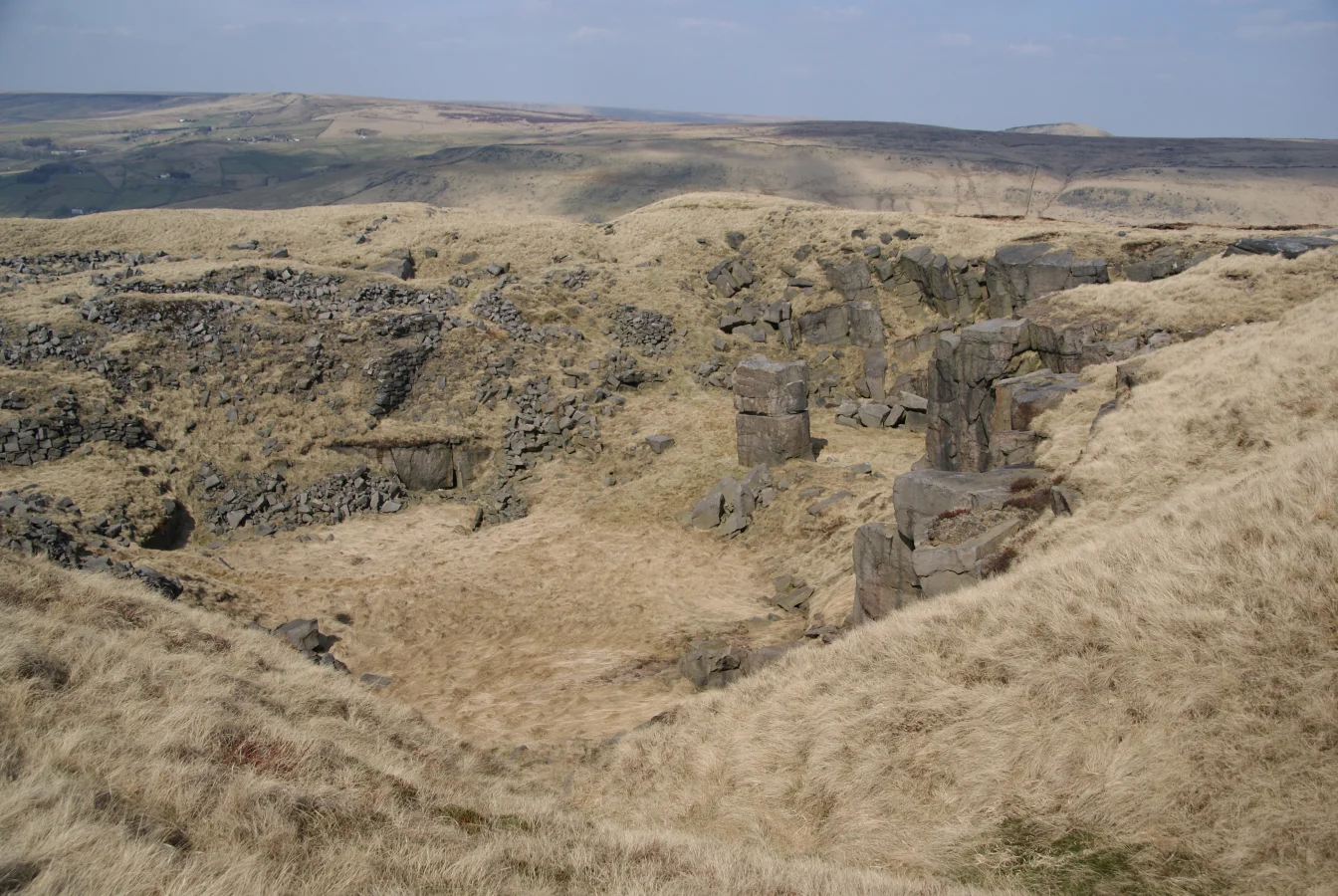
Hill running for beginners might feel intimidating at first, but adding inclines to your training is one of the most efficient ways to build leg strength, aerobic power, and mental toughness — all at the same time.
Benefits of Hill Running
Hills act as a natural form of resistance training. Every uphill stride recruits your glutes, hamstrings, and calves more deeply than flat running, making them a time-efficient way to get stronger without stepping inside a gym. Other benefits include:
- Higher calorie burn — uphill running increases energy expenditure by 10–30% compared to flat running at the same effort.
- Improved VO2 max and cardiovascular efficiency over just four to six weeks of hill repeats.
- Lower injury risk than speed work on flat ground because hills naturally shorten stride length, reducing impact forces.
- Better running economy — the strength and power you build translates directly to faster flat paces.
Uphill Running Technique
Running uphill efficiently comes down to a handful of key adjustments. Lean slightly forward from your ankles — not your waist — so your body aligns with the slope. Shorten your stride and increase your cadence to maintain effort without blowing up your heart rate in the first 30 seconds. For more detail, see our guide to Treadmill vs Outdoor Running: Which Is Better for You?.
Drive your arms more aggressively uphill; the increased arm drive naturally lifts your knees and generates power. Keep your gaze about five metres ahead rather than staring at the top of the hill, which can tighten your neck and cause you to lean back.
Tip: Run by effort on hills, not pace. Your GPS pace will slow dramatically on steep inclines — that is normal and expected. Use perceived exertion or heart rate instead.
Downhill Running Form
Downhill running is where many beginners get hurt. Braking hard with each step sends shock up through the quads and knees. Instead, let gravity assist you by leaning forward slightly and landing with a quick, light midfoot strike rather than a heavy heel plant.
Shorten your stride on steep descents, keep your arms wide for balance, and scan ahead for obstacles. Your quads will still work hard to control the descent — expect delayed onset muscle soreness after your first downhill session.
Beginner Hill Workouts
| Week | Workout | Hill Grade |
|---|---|---|
| 1–2 | 4 × 30-second uphill, walk down recovery | 4–6% |
| 3–4 | 6 × 45-second uphill, jog down recovery | 5–7% |
| 5–6 | 8 × 60-second uphill, jog down recovery | 6–8% |
| 7–8 | 10 × 60-second uphill, or continuous hilly route | Varied |
Start with one hill session per week and keep your other runs flat while your body adapts. For more foundational advice on building your running base, see our Beginner's Guide to Running.
Overlay Your Running Stats
Add your pace, distance, and heart rate to your running photos and videos — share your stats the way the pros do.
Try PaceOverlay Free →Frequently Asked Questions
How steep should hills be for beginners?
Start with gentle inclines of 4–6% grade. Steep hills (10%+) are effective but demand more recovery time and increase the risk of Achilles tendon strain for runners new to hill work.
How often should beginners do hill running?
Once per week is enough to stimulate adaptation without overloading your body. After four to six weeks you can add a second, easier hilly run to your schedule.
Will hill running make me faster on flat roads?
Yes. The strength and power built through hill repeats directly improves your running economy and stride power on flat terrain, translating to faster paces at the same effort level.
Final Thoughts
The most important thing about hill running for beginners is that it is learnable. The principles covered in this guide — from Benefits of Hill Running, Uphill Running Technique — give you a proven framework to work from, regardless of your current fitness level.
Start with one change this week. Apply it consistently across a few runs, assess the results, and build from there. Running rewards patience and consistency more than any other input. Show up regularly, progress gradually, and the improvements follow.