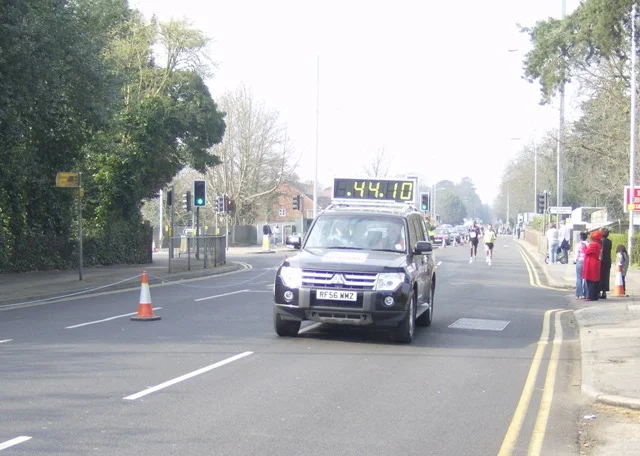
Marathon long run strategy is the difference between arriving at race day with genuine endurance and arriving physically ground down. The long run is the cornerstone of marathon preparation — it builds the aerobic base, glycogen storage capacity, musculoskeletal resilience, and mental toughness that carry you through 42.2 kilometres. Done correctly, it is the most productive workout in your programme. Done incorrectly, it is the most reliable path to overtraining and injury.
Long Run Pacing: Slower Than You Think
The correct long run pace for most marathon runners is 60–90 seconds per kilometre slower than their goal marathon pace. For a runner targeting a 5:00/km marathon pace, this means running long runs at 6:00–6:30/km. This feels embarrassingly easy for the first half. That is correct. The pace that feels embarrassingly easy at kilometre 8 is appropriate at kilometre 28.
Running long runs too fast accumulates fatigue that degrades the quality of the rest of the training week. It also increases injury risk by applying race-level stress to tissues that are not yet race-ready. The purpose of the long run is duration and glycogen depletion — the cardiovascular and metabolic adaptations that produce marathon fitness — not speed.
The conversation test for long runs: You should be able to hold a complete conversation throughout your long run. If you are too breathless to speak in sentences, you are running too fast. On the day of your long run, your training partner should be able to tell you are working but you should not sound distressed.
Long Run Fuelling Schedule
| Run Duration | Pre-Run Nutrition | In-Run Fuel | Post-Run |
|---|---|---|---|
| Under 60 min | Light snack optional | Water only | Normal meal |
| 60–90 min | Small carbohydrate snack | Water; gel at 60 min optional | Protein + carbs within 30 min |
| 90–120 min | Full meal 2–3 hours before | Gel at 45 min, then every 30–45 min | Recovery meal within 30 min |
| Over 120 min | Full meal 2–3 hours before | 60–90g carbs/hr from 30 min in | Recovery meal + electrolytes |
How to Progress Your Long Run
Build your long run by 10–15% per week for three weeks, then take a step-back week at 60% of your longest run. This three-week build, one-week recovery pattern prevents the cumulative fatigue that leads to overtraining. Do not increase your long run distance in the same week as other increases in total mileage — if you add a fourth running day, keep the long run distance the same that week.
The longest long run in most marathon plans is 29–32 km, reached 2–3 weeks before the race before the taper begins. Running the full marathon distance in training is not necessary and for most runners is counterproductive — the recovery time required impairs the training weeks on either side.
Long Run Recovery
Post-long-run recovery is as important as the run itself. Within 30 minutes: 20–25g protein plus 60–80g fast carbohydrates. Chocolate milk is a well-researched, practical option. Within two hours: a balanced meal with protein, carbohydrates, and vegetables. Hydrate to replace sweat losses — weigh yourself before and after long runs to quantify how much fluid you lost (1 kg ≈ 1 litre).
Plan a rest day or very easy active recovery (20-minute walk) the day after long runs over 90 minutes. Your legs need time to complete the repair process that produces the adaptation you trained for. For the complete marathon training framework, see our Complete Marathon Training Guide.
Overlay Your Running Stats
Add your pace, distance, and heart rate to your running photos and videos — share your stats the way the pros do.
Try PaceOverlay Free →Frequently Asked Questions
Should I walk during long runs?
Walk breaks during long runs are not a sign of weakness — they are a legitimate pacing strategy. Many experienced marathon runners use planned walk breaks (e.g., walk 1 minute every 9 minutes) throughout long runs and races, finishing faster and recovering better than runners who attempt to run every step. If you are genuinely at your goal long-run pace, walk breaks extend the duration you can sustain without accumulating excessive fatigue.
How long should my longest long run be before a marathon?
For most recreational marathon runners, the longest training run should be 29–32 km, completed 3 weeks before race day. Running longer than 32 km requires recovery time that exceeds what the taper period can provide, reducing rather than increasing race-day fitness. Elite marathon runners sometimes run longer, but they are operating at a physiological level where recovery is faster and the additional training stimulus is beneficial.
Can I do my long run on the treadmill?
Yes, treadmill long runs are physiologically equivalent to outdoor long runs. The main limitation is psychological — 2+ hours on a treadmill requires significant mental fortitude. Practical strategies: break the run into blocks (first hour with podcast, second hour with music), set the treadmill to 1% incline to compensate for the lack of wind resistance, and use a fan for ventilation. If you're using your marathon course and need to practise hills, treadmill long runs won't replicate that, so mix in outdoor runs when possible.
Final Thoughts
marathon long run strategy is one of the most evidence-backed ways to improve your running performance. The techniques and principles here — spanning Long Run Pacing: Slower Than You Think, Long Run Fuelling Schedule — give you everything you need to train smarter rather than just harder.
The biggest gains come from consistent, progressive application over weeks and months — not from any single workout. Use this guide as your starting framework, track your results honestly, and adjust based on what your body tells you.