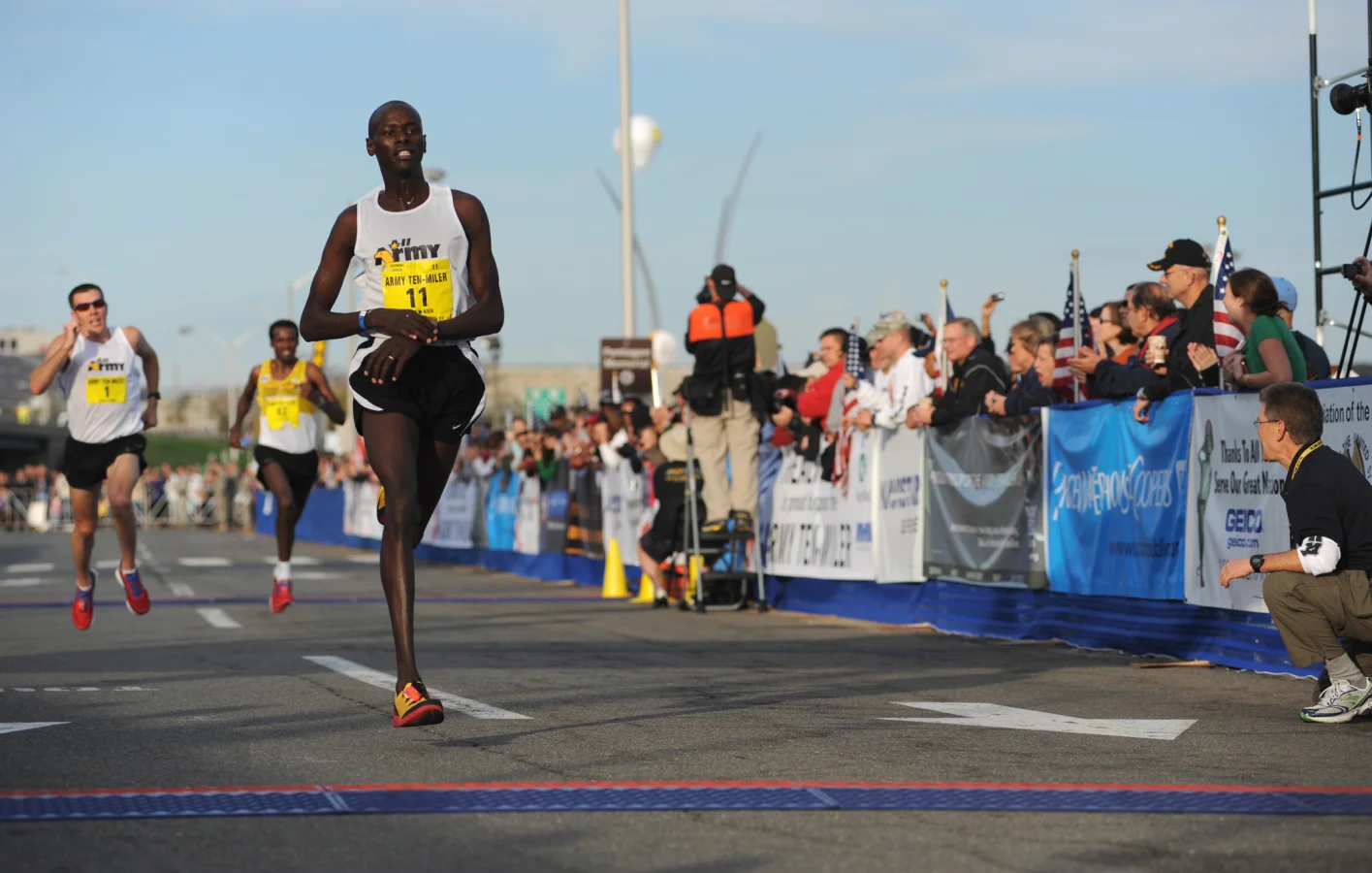
A complete marathon training guide needs to cover everything: not just the long runs and speed sessions, but the fueling that keeps you going past mile 20, the taper that leaves you fresh on race day, and the mental strategies that carry you through the wall. This guide brings together every element of marathon preparation into a single, actionable framework — whether you are targeting your first finish or a new personal best.
Are You Ready to Train for a Marathon?
The honest prerequisite for marathon training is a solid aerobic base — not elite fitness, but enough running history that 16–20 weeks of progressive training will not break your body before it builds it. Most coaches recommend being comfortable running 25–30 miles per week before starting a full marathon cycle. If you are not there yet, a half-marathon training block first is the most reliable path to the start line healthy.
Other readiness markers: you have been running consistently for at least 6 months, you have completed a half-marathon or several long runs of 10–12 miles, and you have no current injuries that weekly mileage increases will aggravate. The biggest predictor of marathon success is arriving at the start line healthy — and the biggest predictor of arriving healthy is starting the training cycle with an honest assessment of where you are.
Choosing the Right Training Plan
Marathon training plans range from 12 to 24 weeks, with 16–18 weeks being the standard for most runners. Shorter plans assume a higher starting base; longer plans build the base as part of the program. The three most important variables in any plan:
- Peak weekly mileage: Beginner plans peak around 35–40 miles per week; intermediate plans 45–55 miles; advanced plans 55–70+. Choose a plan whose peak mileage represents no more than a 30% increase over your current weekly average.
- Long run distance and progression: Most plans build to a longest long run of 20–22 miles, reached 3–4 weeks before race day. The progression should be gradual — typically a 1–2 mile increase per week with a cutback week every 3–4 weeks.
- Balance of easy and hard running: 80% of training mileage should be easy — conversational pace, low heart rate. Only 20% should be at tempo, race pace, or faster. Plans that ask for hard efforts multiple days per week without adequate recovery are injury traps.
Building Your Aerobic Base
The first 4–6 weeks of a marathon cycle are base-building weeks. The goal is not speed or intensity but aerobic adaptation — increasing mitochondrial density, improving fat oxidation, and strengthening the tendons, ligaments, and connective tissue that handle the repetitive stress of marathon training. This phase is boring by design; it should be run at a pace where you can hold a full conversation without effort.
Do not skip base building by jumping into hard workouts early. Connective tissue adapts 3–4 times more slowly than cardiovascular fitness — your heart and lungs will feel ready for intensity long before your tendons and ligaments are. The most common cause of marathon training derailment in the first 6 weeks is running hard too soon.
Base weeks should include one slightly longer run (60–90 minutes easy), four or five shorter easy runs (30–50 minutes), and at least one full rest day. Strength training — squats, single-leg deadlifts, calf raises, hip bridges — done twice per week during the base phase significantly reduces injury risk throughout the cycle by building the structural support your running muscles depend on.
Long Runs: The Foundation of Marathon Fitness
The weekly long run is the most important single workout in any marathon training plan. It builds endurance, teaches fat oxidation, hardens connective tissue for the demands of race distance, and provides the psychological experience of spending 2.5–4 hours on your feet. Every long run also serves as a dress rehearsal for race day — use it to test your shoes, socks, fueling strategy, and hydration plan.
Long runs should be run at an easy, conversational pace — typically 60–90 seconds per mile slower than your goal marathon pace. The purpose is time on feet and aerobic stimulus, not speed. Runners who push long runs too fast accumulate fatigue that compromises the rest of the week's training and significantly increases injury risk.
As the cycle progresses, some long runs can include a progressive finish — running the last 3–5 miles closer to marathon pace when the body is already fatigued. These progressive long runs are among the most race-specific training stimuli available. For advanced long run structures and how to schedule them, see our guide on marathon long run strategy.
Speed Work and Threshold Training
While easy running builds the aerobic base, speed work raises the ceiling. Marathon training typically includes two types of faster sessions: tempo runs (sustained effort at lactate threshold pace) and marathon-pace workouts (race-simulation runs at your goal pace).
Tempo runs — 20–40 minutes at comfortably hard effort (approximately 85% of maximum heart rate) — directly raise your lactate threshold. This is the primary physiological determinant of marathon performance: the faster you can run before lactate accumulates faster than your body can clear it, the faster your sustainable marathon pace becomes. Runners who add one quality tempo run per week to an otherwise easy training program typically see 3–5% improvement in sustainable pace over a 12-week block. For a full breakdown, read our guide on tempo runs for marathon training.
Marathon-pace runs — 6–14 miles including 4–10 miles at goal race pace — serve a different function: they teach your body the specific biomechanical and metabolic patterns of race pace, build confidence in your goal time, and reveal whether your target pace is realistic. Schedule these in the peak training phase (weeks 9–13), typically replacing one easy run per week.
Hill Training and Running Economy
Hills are speed work in disguise. Running uphill forces higher knee drive, greater glute activation, and shorter ground contact time — adaptations that improve running economy (the efficiency with which you convert oxygen into forward motion) even on flat courses. Including one hill session per week during the middle phase of a marathon training cycle measurably improves performance and builds injury-resistant leg strength.
Hill repeats — running hard up a 4–6% grade for 60–90 seconds, jogging back down to recover — are the most effective format. Start with 4–6 repeats and build to 10–12 over 6–8 weeks. The downhill portion builds quadriceps eccentric strength that delays fatigue and protects the knees in the final miles of a hilly marathon course. For a full hill training program and how to integrate it into your week, read our marathon hill training guide.
Race Pacing: The Case for Negative Splits
Negative splitting a marathon — running the second half faster than the first — is the most reliably successful pacing strategy for distance running. Yet it requires extraordinary early-mile discipline, when the crowd energy and untaxed legs are conspiring to make faster pacing feel appropriate.
The data from large marathons is unambiguous: runners who go out 30–60 seconds per mile faster than their goal pace in the first half slow down dramatically in the second. The physiological cause is premature glycogen depletion and a lactate debt that compounds over distance. A first half run 1–2 minutes slower than goal pace, by contrast, preserves enough glycogen and muscle reserve to run the second half at goal pace or faster.
The practical framework: run your first mile 30 seconds per mile slower than goal pace, miles 2–13 at goal pace or 5–10 seconds slower, and miles 14–26.2 at or faster than goal pace if your body allows it. For a detailed guide to pacing structure and execution, read our article on how to run negative splits.
Sample 16-Week Marathon Training Plan
| Phase | Weeks | Focus | Long Run | Key Session | Weekly Miles |
|---|---|---|---|---|---|
| Base Building | 1–4 | Aerobic base, easy running | 12–14 mi | Easy long run | 30–35 |
| Development | 5–8 | Long run build + tempo intro | 15–17 mi | Tempo run (20–25 min) | 35–42 |
| Peak Training | 9–12 | Long runs, tempo, hill work | 18–20 mi | Tempo + hill repeats | 40–48 |
| Peak to Taper | 13–14 | Race-pace workouts, volume hold | 20–22 mi | Marathon-pace miles | 42–45 |
| Taper | 15–16 | Volume reduction, race prep | 12 mi / 6 mi | Easy strides | 28 / 18 |
Cutback weeks: Every 3–4 weeks, reduce your weekly mileage by 20–25% (a "cutback week"). These recovery weeks allow connective tissue to repair and fitness gains to consolidate. Skipping cutback weeks is one of the most common causes of overuse injuries in marathon training — they are not optional.
Nutrition and Fueling for Marathon Training
Marathon training places substantial caloric demands on the body — a 150-pound runner burns approximately 100 calories per mile, meaning a 50-mile training week requires roughly 5,000 additional calories above baseline needs. Under-fueling during training is an extremely common mistake that leads to fatigue, poor adaptation, increased injury risk, and immune suppression.
Day-to-day training nutrition should emphasize carbohydrates (55–65% of calories) as the primary training fuel, adequate protein (1.4–1.7 g per kg body weight) for muscle repair and adaptation, and sufficient healthy fats for hormonal health and sustained energy. Time your largest carbohydrate meals around key workouts — within 2–3 hours before and within 45 minutes after hard sessions. On easy days, total caloric intake can be slightly lower; on long run days and the day after, it should be higher.
Race-day fueling requires specific, practiced preparation. The goal is 30–60 grams of carbohydrate per hour during the marathon, beginning at miles 4–5 and repeating every 30–45 minutes. Never introduce new products on race day — practice your entire fueling plan including brand, flavor, and timing on every long training run over 14 miles. For a complete race-day nutrition breakdown including gel timing, electrolyte strategy, and stomach-issue prevention, see our guide on how to fuel during a marathon.
Taper and Race Week
The final 2–3 weeks before a marathon are the taper — a structured reduction in training volume designed to eliminate accumulated fatigue while preserving the fitness built over the preceding months. A proper taper reduces weekly mileage by approximately 20% in week 15 and another 25–30% in race week, while maintaining a small amount of running at easy pace to keep the neuromuscular system sharp and avoid the psychological distress of complete cessation.
The taper is psychologically challenging. Most runners feel worse — not better — during this phase: phantom injuries appear, legs feel flat, and hard-earned fitness seems to evaporate. This is taper madness, a well-documented phenomenon with specific physiological causes (immune reactivation, glycogen supercompensation, hormonal adjustment) that have nothing to do with actual fitness loss. For a full explanation and management strategies, read our article on taper madness before a marathon.
Race week priorities, in order: sleep (8+ hours every night is non-negotiable), carbohydrate loading in the final 2–3 days (7–10g carbohydrate per kg body weight per day), staying off your feet as much as possible, and finalizing your race plan in writing so that no decisions are made under pressure on race morning.
Race Day Strategy and Execution
A successful marathon race day is built on decisions made weeks in advance. Your goal pace, fueling schedule, aid station strategy, gear choices, and mental backup plans should all be written down before you arrive at the start line. Decision fatigue mid-race is real; eliminating choices frees mental energy for running.
The first 10 miles of a marathon should feel easy — almost embarrassingly so. The atmospheric excitement and fresh legs of race morning will make your goal pace feel too slow; trust it anyway. The second half of the marathon is where races are won and lost, and that second half is directly determined by how conservatively you ran the first 13 miles.
A detailed gear and logistics checklist — from pinning your bib the night before to what to put in your bag drop — ensures nothing is left to last-minute decisions. See our marathon race day checklist for a complete morning-of guide covering everything from warm-up to corral seeding to aid station strategy.
The most important race-day rule: Nothing new on race day. No new shoes, no new socks, no new gels, no new shorts. Every single item — clothing, nutrition, hydration — should have been tested on a long training run. Race day is the performance of a routine you have rehearsed for 16 weeks, not an experiment.
Recovery After the Marathon
The marathon inflicts significant physiological damage — muscle micro-tears, immune depression, glycogen depletion, and structural joint stress from 26.2 miles at race intensity require 4–6 weeks for full recovery, even when the runner feels subjectively recovered much sooner. The dangerous period is weeks 2–4 after the marathon, when runners feel well enough to train hard but the body has not finished repairing.
The first week: complete rest or very gentle walking only. Week two: easy running if the legs feel ready — 20–30 minutes at truly easy pace, stopping if anything feels wrong. Weeks three and four: a gradual return to easy training, no hard efforts. Full training resumes at week five or six. The rough guideline used by many coaches is one day of easy recovery for every mile raced — approximately 26 days of no hard training after a marathon.
Post-marathon nutrition priorities: carbohydrates for glycogen restoration (this takes 24–48 hours with aggressive eating), protein for muscle repair (1.6–2.0g per kg body weight in the first 72 hours), and anti-inflammatory foods such as berries, leafy greens, tart cherry juice, and fatty fish. Hydration takes 24–48 hours to fully restore — continue drinking consistently well past the point when you feel rehydrated.
Complete February Marathon Series
This guide is supported by a full series of deep-dive articles covering every component of marathon preparation:
- Marathon Long Run Strategy — structuring your most important weekly workout
- Tempo Runs for Marathon Training — the most effective quality session for threshold improvement
- How to Run Negative Splits — the pacing strategy that unlocks the second half
- Marathon Hill Training — strength, economy, and race-day durability
- How to Fuel During a Marathon — gels, timing, and avoiding the wall
- Marathon Race Day Checklist — everything from gear to warm-up to corral strategy
- Taper Madness — managing phantom injuries, anxiety, and the final 3 weeks
Overlay Your Running Stats
Add your pace, distance, and heart rate to your running photos and videos — share your stats the way the pros do.
Try PaceOverlay Free →Frequently Asked Questions
How long does it take to train for a marathon?
Most runners need 16–20 weeks of dedicated training after establishing a base of 25–30 miles per week. If you are starting from very little running, allow 6–12 months: 3–4 months to build a base, then 16–18 weeks of marathon-specific training. Rushing the timeline is the most common cause of injury and DNS.
What is the hardest week of marathon training?
Most runners identify the peak week — typically weeks 12–14, when the long run reaches 20–22 miles and weekly mileage is at its highest — as the hardest physically and mentally. The fatigue is real, but it is also the sign that you are receiving the training stimulus needed for race-day performance. After peak week, the taper begins and the work is largely done.
Can I walk during a marathon?
Yes. Walk-run strategies are legitimate and widely used by thousands of successful finishers at every marathon in the world. A planned walk-run ratio — running 9 minutes, walking 1 minute, for example — often produces faster overall times than continuous running for recreational runners, particularly in the second half when planned walking prevents the unplanned wall-induced collapse that costs far more time.
How do I prevent hitting the wall?
The wall is primarily caused by glycogen depletion. Prevention requires three things executed together: an aerobic base trained to use fat efficiently at marathon pace; a conservative, controlled first half that does not burn glycogen faster than sustainable; and consistent fueling from miles 4–5 onward (30–60g carbohydrate per hour). Runners who execute all three reliably do not hit the wall — it is a failure of preparation, not of willpower.
What should I eat the week before a marathon?
Eat your normal training diet for the first part of race week. In the final 2–3 days, shift toward higher carbohydrate intake (7–10g per kg body weight daily) while reducing fiber and fat. Familiar, bland foods reduce GI risk. Avoid alcohol the entire week. Hydrate well throughout the week. The pre-race dinner should be a meal you have eaten successfully before long training runs — pasta, rice, potatoes — not an experiment with a new restaurant or cuisine.
Final Thoughts
complete marathon training guide is one of the most evidence-backed ways to improve your running performance. The techniques and principles here — spanning Are You Ready to Train for a Marathon?, Choosing the Right Training Plan — give you everything you need to train smarter rather than just harder.
The biggest gains come from consistent, progressive application over weeks and months — not from any single workout. Use this guide as your starting framework, track your results honestly, and adjust based on what your body tells you.