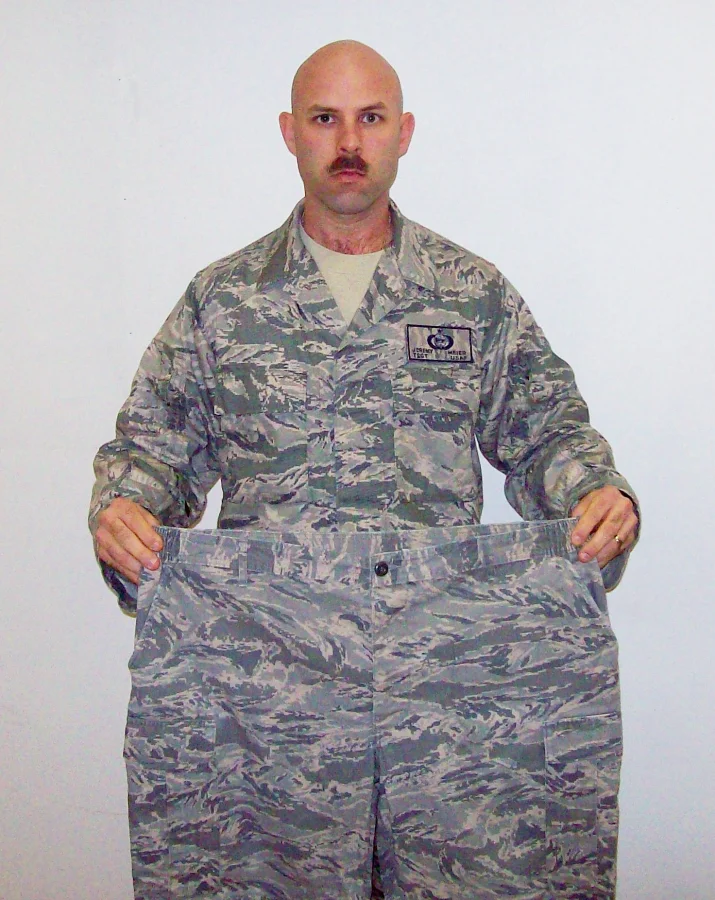
Running for weight loss is one of the most common reasons people lace up for the first time — and when approached correctly, it genuinely works. The problem is that most beginners either expect results too quickly or unknowingly sabotage their progress by eating back every calorie they burn. This guide cuts through the noise and explains what the science actually supports, so you can build a running routine that delivers real, lasting fat loss.
How Running Burns Calories
Running is one of the highest calorie-burning exercises available to most people. A general rule of thumb is that you burn roughly 60–80 calories per kilometre, regardless of pace. This means a 5 km run burns approximately 300–400 calories for an average adult. Heavier individuals burn more; lighter individuals burn less. Pace matters less than distance when it comes to total calories burned during the run itself.
What many people overlook is the afterburn effect — formally known as excess post-exercise oxygen consumption (EPOC). After a hard run, your metabolism stays elevated for anywhere from 30 minutes to several hours as your body repairs muscle tissue, replenishes glycogen, and restores oxygen levels. Higher-intensity runs produce a larger EPOC, which is one reason interval training is popular in fat-loss programmes. Check out our complete Road Running vs Trail Running: Which Is Right for You? guide for more.
Your body also becomes more metabolically efficient over time. As you get fitter, you burn fewer calories doing the same run. This is adaptation, not failure — it just means you need to progressively challenge yourself to keep results coming.
Fat-Burning Zones: The Truth
You've probably seen "fat-burning zone" labels on treadmills and in fitness apps. The idea is that running at a lower intensity (around 60–70% of maximum heart rate) causes your body to rely more on fat as a fuel source. This is technically true — but it's often misunderstood.
At low intensity, a higher percentage of your fuel comes from fat. But at higher intensities you burn more total calories, including more total fat in absolute terms. For weight loss, total calorie deficit matters more than the fuel source used during the run itself.
The practical takeaway: don't obsessively run slowly in the "fat-burning zone." A mix of easy runs (which build your aerobic base and are easier to recover from) and harder efforts (which burn more calories and improve fitness faster) produces the best long-term results.
How Much Running Do You Need?
A sustainable weight-loss pace is around 0.5–1 kg per week, which requires a daily calorie deficit of 500–1,000 calories. Running can contribute significantly to that deficit, but trying to create the entire deficit through exercise alone is exhausting and unsustainable. Diet and running together is the winning combination.
| Weekly Distance | Approx. Calorie Burn | Potential Weekly Fat Loss (alone) |
|---|---|---|
| 15 km | ~900–1,200 kcal | ~0.12–0.17 kg |
| 25 km | ~1,500–2,000 kcal | ~0.21–0.28 kg |
| 40 km | ~2,400–3,200 kcal | ~0.34–0.45 kg |
| 50 km | ~3,000–4,000 kcal | ~0.43–0.57 kg |
For most beginners, building up to 25–30 km per week over several months is a realistic and effective target. Combined with a modest dietary adjustment, this volume is more than enough to produce consistent fat loss without excessive injury risk.
Common Mistakes That Stall Progress
The most common pitfall is compensatory eating. Running makes you hungry — especially in the first few weeks — and it's very easy to eat back your entire run's calorie burn in a single post-run snack. A 45-minute run that burns 400 calories can be completely offset by a large smoothie or a couple of energy bars. Tracking your food, at least for a few weeks, helps you understand what you're actually consuming relative to what you're burning.
The second mistake is doing only long, slow runs. While easy running is valuable, beginners who add one or two interval sessions per week — alternating bursts of faster running with recovery periods — burn significantly more calories and improve fitness faster. Even a simple session of 8 × 1-minute efforts at a hard effort with 90 seconds of easy jogging between each makes a meaningful difference.
The third mistake is ignoring rest and sleep. Poor sleep dramatically increases appetite, particularly for high-calorie foods, and reduces your body's ability to burn fat efficiently. If you're training hard but sleeping only five to six hours a night, you're working against yourself.
Key insight: Running creates the opportunity for weight loss; your diet determines whether you actually achieve it. Treat them as a team, not a trade-off.
Setting Realistic Expectations
Expect slow results at first. The scale may not move — or may even go up slightly — in the first two to three weeks as your body retains water in response to new muscle stress. This is temporary. Focus instead on how your clothes fit, your energy levels, and your running performance as early indicators of progress.
A realistic weight-loss trajectory for someone running 3–4 times per week and eating in a modest deficit is 0.3–0.7 kg per week after the initial adjustment period. That's 4–8 kg over three months — genuinely significant and, more importantly, the kind of loss that tends to stay off because it was achieved gradually.
Progress photos taken every two weeks are often more motivating than daily weigh-ins, which can fluctuate by 1–2 kg due to hydration alone. If the photos are improving and your runs are getting easier, you're on the right track regardless of what the scale says on any given day.
For a full plan covering how to structure your training from the very beginning, see our Complete Beginner's Guide to Running.
Overlay Your Running Stats
Add your pace, distance, and heart rate to your running photos and videos — share your stats the way the pros do.
Try PaceOverlay Free →FAQ
How long does it take to see weight-loss results from running?
Most people see noticeable body composition changes within 4–8 weeks of consistent running combined with a modest calorie deficit. The scale may lag behind because muscle adaptation initially causes water retention, but clothes fit and energy levels often improve within the first two to three weeks.
Is running better than walking for weight loss?
Running burns roughly twice as many calories per minute as walking, making it more time-efficient for weight loss. However, walking is sustainable for longer durations and carries far lower injury risk. Beginners often do best starting with run-walk intervals and gradually increasing running time over several weeks.
Should I run in the morning or evening to lose weight?
Total daily calorie burn matters far more than the time of day you run. Choose the time that fits your schedule consistently, because consistency over weeks and months is what drives results. Some research suggests fasted morning runs can increase fat oxidation slightly, but the practical effect is small compared to overall training volume and diet.
Can I lose weight by running without changing my diet?
You can, but it's very difficult. Running burns several hundred calories per session, which can be easily offset by modest overeating. Most successful long-term weight-loss stories combine running with a conscious (not necessarily drastic) dietary adjustment. Even small changes like reducing liquid calories or cutting one high-calorie snack per day can make a significant difference.
Final Thoughts
The most important thing about running for weight loss is that it is learnable. The principles covered in this guide — from How Running Burns Calories, Fat-Burning Zones: The Truth — give you a proven framework to work from, regardless of your current fitness level.
Start with one change this week. Apply it consistently across a few runs, assess the results, and build from there. Running rewards patience and consistency more than any other input. Show up regularly, progress gradually, and the improvements follow.