A running log is one of the simplest and most effective tools available to beginner runners. It transforms subjective impressions ("I think I am improving") into objective evidence ("I am running 3 km farther each week and my pace has dropped by 45 seconds per kilometre in 8 weeks"). Seeing that evidence is motivating in a way that vague impressions are not.
What to Record in Your Running Log
A good running log captures: date, distance, duration, average pace, route or surface type, weather conditions, how you felt before and after (a simple 1–10 scale works), and any notable observations (new shoes, injury twinge, particularly good or bad run). This takes two minutes to record and creates a data set that reveals patterns invisible in the moment.
Reviewing your log after 4–8 weeks shows you: whether your pace is improving at the same effort level (the clearest sign of fitness gain), which conditions produce your best and worst runs, whether mileage increases correlate with injury symptoms, and how your mood and motivation cycle with training load. Check out our complete Tempo Runs for Marathon Training: How to Do Them and Why They Work guide for more.
Minimum viable log: If two minutes feels like too much, track just three things: date, distance, and a mood emoji (😴/😐/😊/🚀). Even this minimal log is enormously more useful than nothing — it tells you if you are running consistently and how you generally feel about your runs over time.
Apps vs Paper: Which Running Log Is Better?
| Tool | Best For | Key Advantage | Key Limitation |
|---|---|---|---|
| GPS Watch App (Garmin, Apple) | Automatic data capture | Zero effort tracking | No subjective notes |
| Strava | Route tracking + social | Segment comparisons, community | Requires phone or watch |
| Paper journal | Reflective logging | Full flexibility, no tech | No automatic data |
| Spreadsheet | Data analysis | Custom metrics, graphing | Manual entry required |
| Running apps (Nike Run Club) | Structured programmes | Coaching + tracking combined | Platform lock-in |
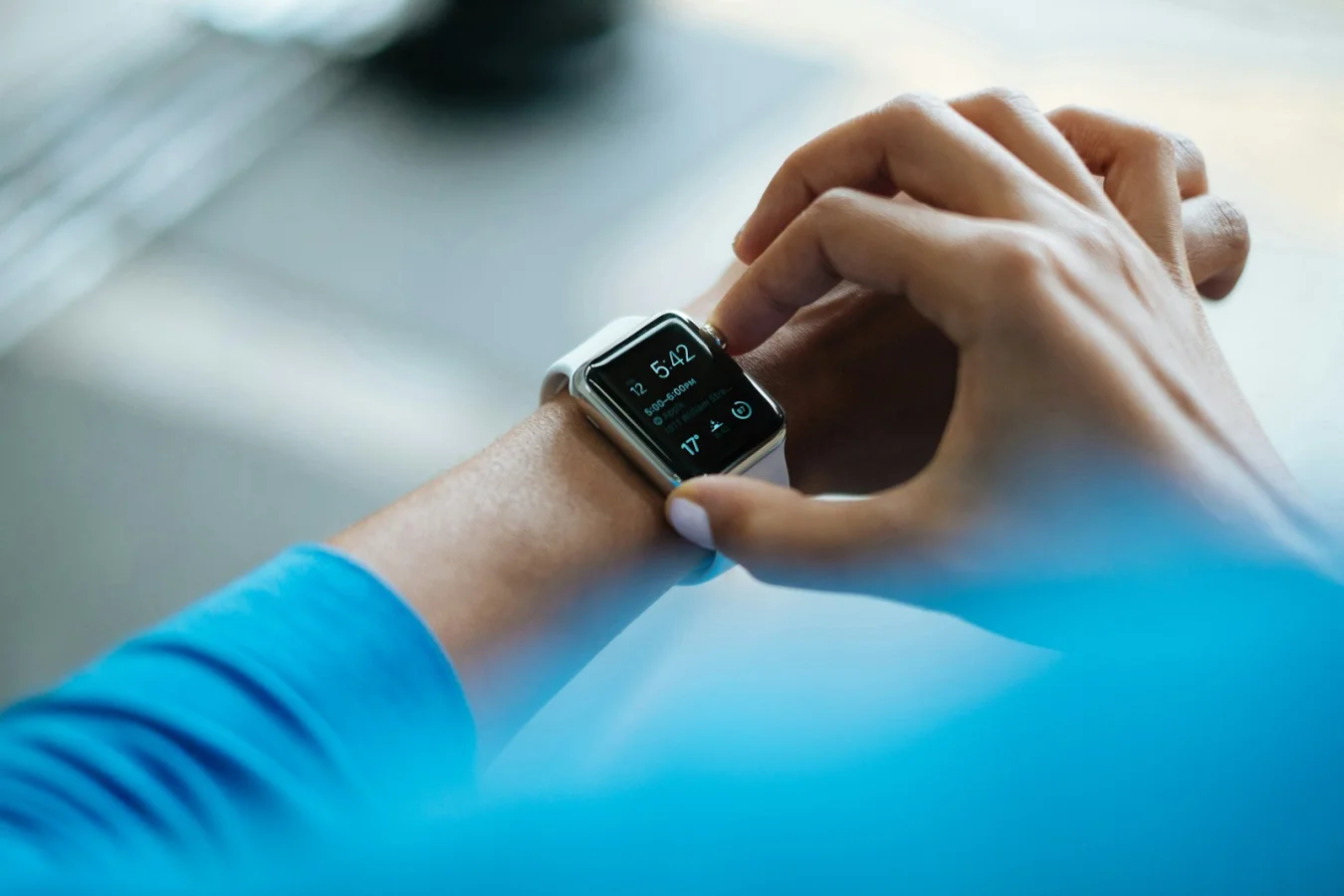
The best running log is the one you actually use. A GPS watch that automatically captures every run requires zero discipline. A paper journal requires discipline but captures nuance that apps don't. Many runners use both: automatic GPS tracking for data, plus a brief note in a paper journal for subjective observations.
How to Use Your Running Log to Improve
Review your log weekly and monthly. Look for: weeks where you ran 3+ times (your goal frequency), pace trends on similar efforts, and any patterns around soreness or motivation dips. Monthly reviews reveal whether you are progressing toward your goals or plateauing.
Use your log to prevent overtraining. If your weekly mileage this week is more than 10% higher than last week's, consciously reduce. If you have skipped three consecutive planned runs due to soreness or fatigue, your log is telling you something important. For the complete guide to building a running habit, see our Beginner's Guide to Running.
Overlay Your Running Stats
Add your pace, distance, and heart rate to your running photos and videos — share your stats the way the pros do.
Try PaceOverlay Free →Frequently Asked Questions
Should I log every run as a beginner?
Yes — logging every run from the start gives you a complete picture of your progression and makes patterns visible. The time investment is minimal (2–3 minutes per run) and the payoff in insight and motivation is significant. If logging feels like a burden, simplify it to just date, distance, and a brief note rather than stopping altogether.
What is the best free running log app?
Strava (free tier), Nike Run Club, and Adidas Running (formerly Runtastic) are the most used free running apps with solid logging features. If you already have a Garmin or Apple Watch, their native apps (Garmin Connect and Apple Fitness) provide automatic logging without any additional app. The free tier of Strava is sufficient for most beginners; the paid tier adds route planning and advanced analytics.
How do I analyse my running log for improvements?
Plot your average pace against date for easy runs — if the line trends downward (faster pace) over weeks, you are improving. Compare your heart rate at the same pace across weeks — declining heart rate at the same pace indicates improved cardiovascular efficiency. Track weekly mileage in a bar chart — consistent bars with gradual upward trend is the pattern of healthy training progression.
Final Thoughts
The most important thing about running log for beginners is that it is learnable. The principles covered in this guide — from What to Record in Your Running Log, Apps vs Paper: Which Running Log Is Better? — give you a proven framework to work from, regardless of your current fitness level.
Start with one change this week. Apply it consistently across a few runs, assess the results, and build from there. Running rewards patience and consistency more than any other input. Show up regularly, progress gradually, and the improvements follow.