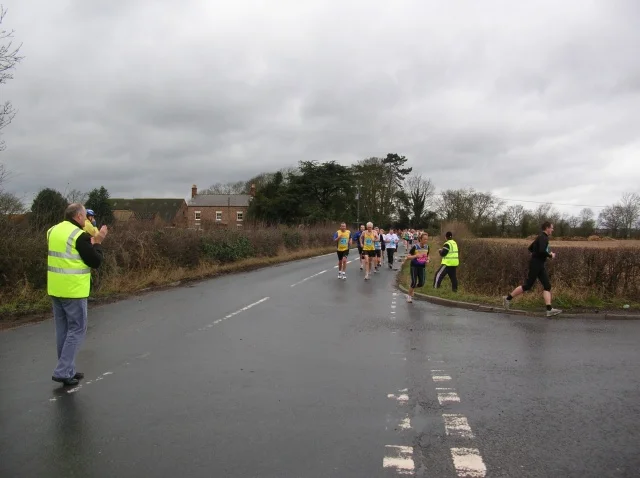
Running motivation tips are searched millions of times every January — and for good reason. Most people start a running habit with genuine enthusiasm, then hit a wall around week three or four when the novelty wears off. The runs feel hard. The results aren't visible yet. Life gets busy. Understanding why motivation fades and how to design a system that works without relying on willpower is the real key to becoming a consistent runner.
Why Running Motivation Fades
Motivation is an emotion, not a character trait. It rises and falls based on sleep, stress, weather, progress, and dozens of other factors outside your control. Waiting for motivation to strike before you run is a losing strategy. The runners who show up consistently aren't more motivated than you — they've removed the need to rely on motivation in the first place.
The early weeks of running feel rewarding because everything is new and progress is rapid. By week three or four, your body has adapted enough that the improvements become less noticeable day to day, even though they're still happening. This is the motivation dip that ends most beginner running habits. Knowing it's coming is the first step to getting through it.
External pressures — a race entry, a social commitment, a training partner — are far more reliable than internal motivation for getting you out the door. Build your running system around external structures, and use internal motivation as a bonus rather than a requirement.
The Two-Minute Rule
On days when you absolutely don't feel like running, make a deal with yourself: put on your running shoes and head out for just two minutes. Two minutes only. If after two minutes you still want to stop, you can. Go home and try again tomorrow.
What actually happens: roughly 90% of the time, once you're outside with your shoes on and your body is moving, you finish the run. The hardest part of any workout is the transition from not running to running. Getting out the door is the battle. The run itself is usually fine.
This rule works because it makes the commitment tiny. Your brain resists large commitments. A 40-minute run when you're tired and stressed feels like a mountain. Two minutes feels manageable. Start there.
Build Systems, Not Just Goals
Setting a goal — run a 5K by March — is useful for direction, but goals don't get you out of bed at 6am on a cold Tuesday. Systems do. A system is a specific, scheduled, habit-based structure that makes running the path of least resistance.
| Goal-Based Thinking | System-Based Thinking |
|---|---|
| "I want to run three times a week" | "I run Monday, Wednesday, and Saturday at 7am" |
| "I'll run when I have time" | "My shoes are by the door and my kit is laid out the night before" |
| "I'll start running more seriously soon" | "My next run is already in my calendar with a reminder" |
| "I'll run after work if I'm not too tired" | "I run before work — it's done before the day has a chance to interfere" |
Identify your two or three run slots for the coming week right now. Put them in your calendar as non-negotiable appointments. Lay out your running kit the night before. Reduce every possible friction point between waking up and getting out the door.
Use External Accountability
Social accountability is one of the most powerful motivators known to behavioural science. Tell someone you're going to run on Tuesday. Join a local running club. Sign up for a race and tell your friends. Post your runs to Strava. Find a running partner for at least one session per week.
You don't need to explain your pace or distance to anyone. The simple act of knowing that someone else knows you're supposed to be running significantly increases follow-through. Most runners report that their highest-consistency periods coincide with training for a specific race or running regularly with a partner.
Parkrun — free, weekly, timed 5Ks held in parks around the world — is one of the best accountability tools for beginner runners. It's social, non-competitive (you only race yourself), and happens every Saturday morning. Find your nearest one at parkrun.com.
Reward Yourself Strategically: Create a post-run ritual you genuinely enjoy — a specific coffee, a favourite podcast episode only played during or after runs, a shower with expensive shower gel. Your brain builds habits around reward. Give it one that arrives reliably after each run.
Track Your Progress Visibly
Progress you can't see feels like no progress at all. Keep a simple running log — even a note on your phone — where you record each run: date, distance or time, and one word about how it felt. After four weeks, look back. You'll almost certainly have run further and faster than you did at the start, even if it doesn't feel that way day to day.
GPS watch data and apps like Strava create automatic logs, but a handwritten log has a psychological completeness to it that apps don't always capture. Some runners use a wall calendar and mark each completed run with a red X — the visual chain of Xs becomes something you don't want to break.
Celebrate milestones explicitly. First week completed. First month completed. First time running 20 minutes without stopping. These moments deserve acknowledgement. Write them down. Tell someone. Share your run photo with your pace and stats using PaceOverlay — making your progress public reinforces your identity as a runner. For deeper guidance on building the habit from scratch, see our Complete Beginner's Guide to Running.
Overlay Your Running Stats
Add your pace, distance, and heart rate to your running photos and videos — share your stats the way the pros do.
Try PaceOverlay Free →Frequently Asked Questions
How do I motivate myself to run every day?
Running every day isn't necessary or recommended for beginners — rest days are part of training. Focus on showing up three times per week consistently. Use scheduled times, laid-out kit, and an accountability partner rather than relying on daily motivation.
Why do I lose motivation to run after a few weeks?
This is extremely common and is sometimes called the "motivation dip." The novelty of a new habit wears off around week 3–4, just as the visible progress starts to slow. The solution is to have an external structure — a scheduled race, a training partner, a running group — that pulls you out the door even when internal motivation is low.
Does listening to music help with running motivation?
Yes, for many runners. Upbeat music at 150–180 BPM can improve perceived effort, increase pace, and make runs more enjoyable. Podcasts and audiobooks work well for easy, longer runs. Some runners prefer silence for mindfulness. Experiment and use whatever makes you look forward to your next run.
What do I do when I miss a run?
Miss one run — reschedule it if possible. Miss two in a row — acknowledge it and restart as planned on the next scheduled day. Never try to "make up" missed training by doubling up sessions. One missed run has no measurable impact on fitness. Quitting because you missed one run is the only thing that derails progress.
Final Thoughts
The most important thing about running motivation tips is that it is learnable. The principles covered in this guide — from Why Running Motivation Fades, The Two-Minute Rule — give you a proven framework to work from, regardless of your current fitness level.
Start with one change this week. Apply it consistently across a few runs, assess the results, and build from there. Running rewards patience and consistency more than any other input. Show up regularly, progress gradually, and the improvements follow.