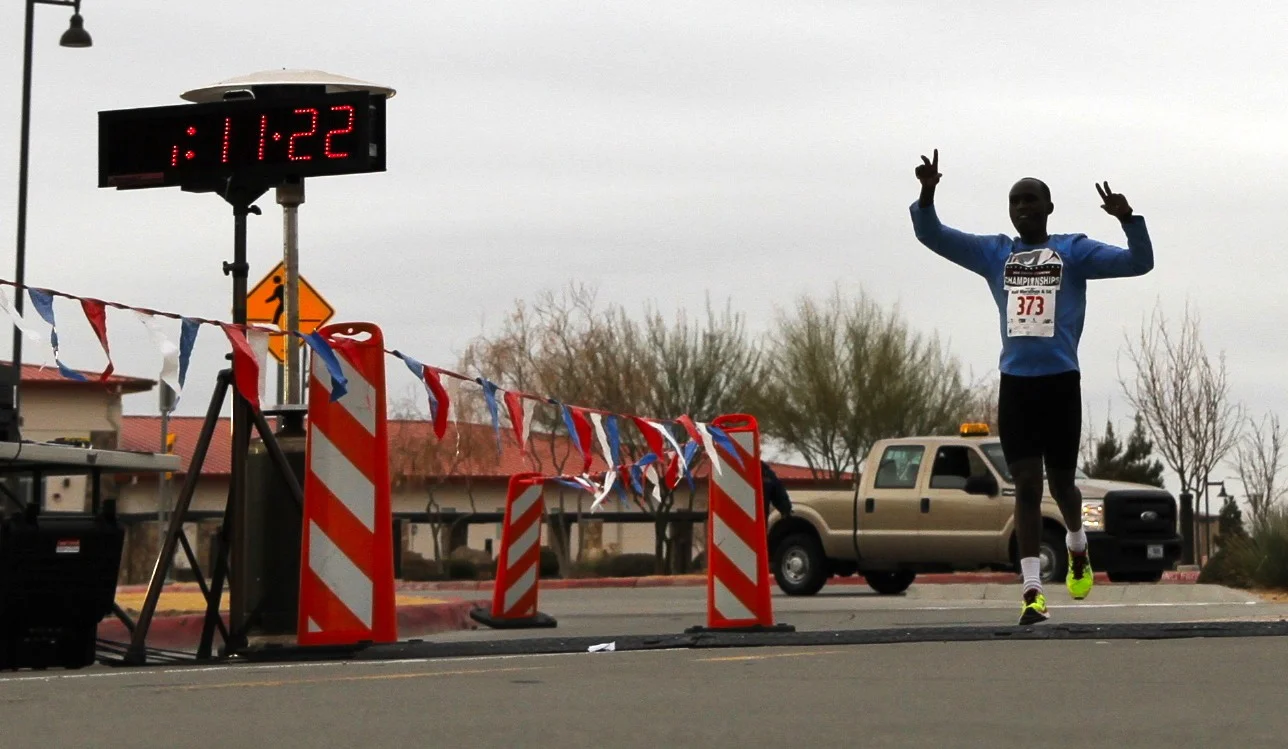
Shin splints — medically known as medial tibial stress syndrome (MTSS) — affect up to 35% of runners at some point in their training. They are frustrating because they sit in an awkward middle ground: painful enough to disrupt training, but not severe enough to force many runners to stop. That hesitation to fully rest is exactly why shin splints so often become chronic. Here is how to recover correctly and prevent recurrence.
What Are Shin Splints?
Shin splints cause pain along the inner (medial) edge of the tibia, typically in the lower two-thirds of the shin. The pain is caused by repetitive stress on the tibia and the connective tissue (periosteum) attaching the muscles to the bone. In severe cases, unchecked MTSS can progress to a tibial stress fracture — a much more serious injury requiring 6–8 weeks of complete non-weight-bearing rest.
The distinction matters: diffuse pain across a broad area of the shin that eases as you warm up suggests MTSS. A focal, pinpoint pain that does not ease with running (and may be worse at night) warrants a bone scan or MRI to rule out stress fracture before any return-to-run. Check out our complete IT Band Syndrome for Runners: Causes, Treatment, and Return to Running guide for more.
Shin Splints Recovery Timeline
| Stage | Duration | Activity Level | Focus |
|---|---|---|---|
| Acute rest | Days 1–7 | No running; walk only if pain-free | Ice, elevation, reduce load |
| Active recovery | Weeks 2–3 | Pool running, cycling, swimming | Maintain fitness, strengthen calf complex |
| Return to run | Weeks 3–6 | Walk-run intervals, pain-free only | Gradual reintroduction, monitor symptoms |
| Full return | Weeks 6–8+ | Normal training, reduced intensity | Address root causes, preventive exercises |
Evidence-Based Treatment for Shin Splints
The foundation of shin splints treatment is load management: reduce or eliminate the stressor (running) while maintaining fitness through low-impact alternatives. Pool running (aqua jogging) and cycling allow cardiovascular maintenance without tibial stress. Eccentric calf raises (slowly lowering on one leg) strengthen the muscle-tendon-bone interface and have strong evidence for MTSS recovery.
Eccentric calf raise protocol: Stand on a step on both feet, rise on both, then lower slowly (3 seconds) on one foot only. 3 sets of 15 repetitions, once daily. Pain should be minimal during the exercise. Progress to single-leg raises when pain-free at 2-foot lowering.
Preventing Shin Splints From Recurring
Shin splints almost always have identifiable root causes. The most common: too-rapid mileage increases, insufficient rest between hard sessions, worn-out shoes (replace every 500–800km), hard surfaces (especially concrete), overpronation, and weak hip abductors and glutes. Address these systematically:
Follow the 10% mileage rule. Rotate between two pairs of running shoes to vary impact patterns. Strengthen hips and glutes — weak hips increase tibial rotation stress. Run on softer surfaces (trails, grass) during the return phase. Consider a gait analysis to assess foot strike and pronation. For broader injury prevention context, see our complete running recovery guide.
Overlay Your Running Stats
Add your pace, distance, and heart rate to your running photos and videos — share your stats the way the pros do.
Try PaceOverlay Free →Frequently Asked Questions
Can I run through shin splints?
Mild shin splints (pain that warms up and disappears within 5 minutes of running, no pain during or after) may be manageable with reduced load. But running through moderate or severe shin splints risks progression to stress fracture. The safest and fastest recovery involves complete rest from running for at least 1–2 weeks.
How do I know if I have a stress fracture instead of shin splints?
Key indicators: focal pinpoint tenderness (you can identify a single spot that hurts when pressed), pain that does not ease with running, pain at rest or at night, and sudden onset rather than gradual. If you have these symptoms, see a sports medicine doctor before running again. An X-ray often misses early stress fractures — MRI or bone scan is more reliable.
Do compression sleeves help shin splints?
Compression calf sleeves can reduce vibration through the lower leg and provide proprioceptive feedback that some runners find helpful. The evidence for their role in shin splints specifically is limited, but they are low-risk and may reduce perceived discomfort during the return-to-run phase.
How long before I can race again after shin splints?
If treated correctly from onset, most runners can return to racing in 6–10 weeks. If you push through and develop chronic MTSS or stress fracture, the timeline extends to 3–6 months. Early aggressive rest is almost always the fastest path back to racing.
Final Thoughts
The most important thing about shin splints recovery guide is that it is learnable. The principles covered in this guide — from What Are Shin Splints?, Shin Splints Recovery Timeline — give you a proven framework to work from, regardless of your current fitness level.
Start with one change this week. Apply it consistently across a few runs, assess the results, and build from there. Running rewards patience and consistency more than any other input. Show up regularly, progress gradually, and the improvements follow.