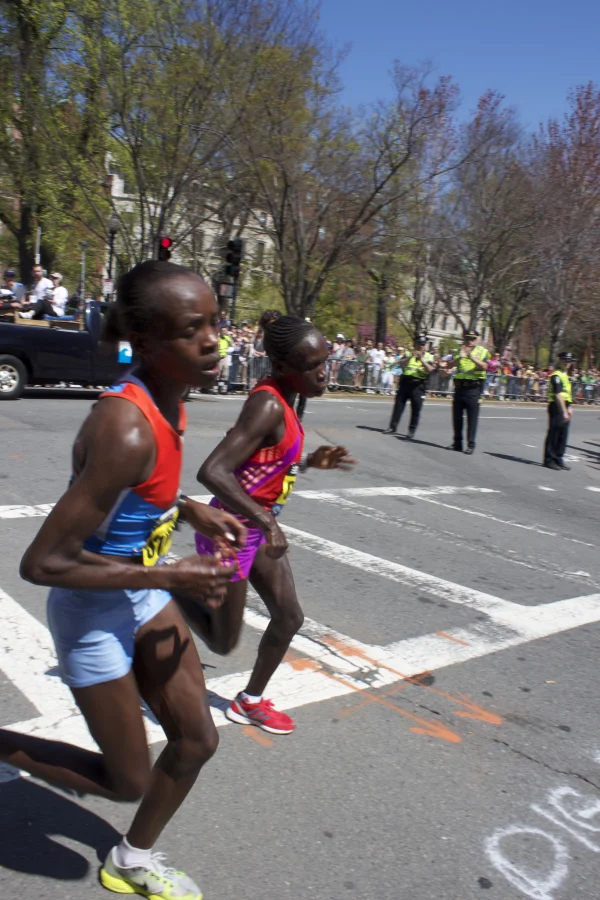
The conversation around stretching for runners has shifted dramatically in the past decade. Old advice — hold a quad stretch for 30 seconds before you run — has been replaced by a more nuanced approach that distinguishes between the type, timing, and purpose of stretching. Getting this right protects you from injury, aids recovery, and may improve your economy over time. Getting it wrong can actually increase injury risk and reduce performance.
Static vs. Dynamic Stretching: The Critical Difference
Static stretching involves holding a muscle at end range for 20–60 seconds without movement. Research consistently shows that static stretching performed immediately before running reduces muscle force production by 5–8% and increases the risk of strains in muscles that are still cold. It belongs after running, not before.
Dynamic stretching uses controlled movement through the full range of motion — leg swings, hip circles, walking lunges, high knees. Dynamic stretching raises muscle temperature, activates neural pathways for the movement patterns ahead, and does not reduce force output. It is the appropriate warm-up modality for runners. Our HRV Monitoring for Runners: How Heart Rate Variability Guides Recovery guide covers everything you need to know.
The Best Pre-Run Dynamic Warm-Up (10 minutes)
Perform each movement for 10–15 repetitions per side before every run. Increase pace and range of motion progressively — start slow and build.
| Exercise | Primary Target | Reps / Duration |
|---|---|---|
| Leg swings (front to back) | Hamstrings, hip flexors | 15 each leg |
| Leg swings (side to side) | Adductors, hip abductors | 15 each leg |
| Walking lunges with rotation | Hip flexors, thoracic spine | 10 each side |
| High knees | Hip flexors, calves | 20 metres |
| Butt kicks | Hamstrings, quad activation | 20 metres |
| Ankle circles | Ankle mobility | 10 each direction |
| Calf raises (slow) | Gastrocnemius, Achilles | 15 reps |
The Best Post-Run Static Stretches
After running, your muscles are warm and pliable — the ideal state for static stretching. Hold each stretch for 30–45 seconds per side, breathing steadily throughout. Never push to the point of sharp pain; a strong, tolerable pull is appropriate.
- Standing quad stretch: Hold your foot behind you, keeping knees together and hips forward. Targets rectus femoris.
- Standing calf stretch (straight knee): Targets gastrocnemius — the primary calf muscle stressed by running.
- Standing calf stretch (bent knee): Targets soleus and Achilles — essential for preventing Achilles tendinopathy.
- Seated hamstring stretch: One leg extended, hinge from the hip (not the back) — keeps the stretch in the hamstring, not the lower back.
- Hip flexor lunge: Drop the rear knee, push hips forward. Critical for counteracting the hip flexor shortening caused by running gait.
- Piriformis stretch (figure-four): Lying on your back, cross one ankle over the opposite knee and pull both toward your chest. Addresses the gluteal region implicated in IT band syndrome and sciatica.
Duration matters: Research shows that stretches held for fewer than 20 seconds produce minimal flexibility gains. The 30–45 second hold range is optimal for both acute recovery and long-term flexibility adaptation. Longer holds (60–90 seconds) provide additional benefit and are ideal on rest days or in yoga sessions.
Foam Rolling as a Stretching Complement
Foam rolling (myofascial release) targets the connective tissue layer between muscles. Unlike stretching, which lengthens muscle fibres longitudinally, foam rolling applies compressive pressure to the fascial network, reducing myofascial adhesions that limit range of motion and contribute to muscle tightness. Used together, stretching and foam rolling address both the muscle fibre and fascial dimensions of tightness.
Priority areas for runners: IT band (outer thigh), quads, calves, and thoracic spine. Roll slowly — aim for 1 inch per second — and pause on tender spots for 20–30 seconds. Avoid rolling directly over the IT band insertion at the knee, which can exacerbate existing irritation. Roll the TFL (tensor fasciae latae) at the hip instead, which is the originating source of most IT band tension.
How Long Does It Take to Improve Flexibility?
Consistent static stretching 4–5 times per week produces measurable flexibility improvements in as little as 4 weeks. The rate of gain slows after 8–12 weeks as you approach your genetic ceiling for muscle fibre length, but fascial adaptations continue over months and years. The key insight is consistency over intensity: brief daily stretching outperforms occasional longer sessions in producing lasting gains.
For the full recovery picture including stretching, massage, and nutrition, visit our complete running recovery guide.
Overlay Your Running Stats
Add your pace, distance, and heart rate to your running photos and videos — share your stats the way the pros do.
Try PaceOverlay Free →Frequently Asked Questions
Should runners stretch every day?
Yes — post-run stretching on every running day and dedicated flexibility sessions on rest days is the ideal frequency. At a minimum, static stretching 3–4 times per week produces meaningful long-term flexibility improvements. The most important habit is consistency rather than duration: 10 minutes daily beats 60 minutes once a week.
Does stretching prevent running injuries?
The evidence is mixed. Static stretching alone does not clearly prevent injuries, but it does reduce muscle tightness that contributes to poor biomechanics and overuse patterns. Dynamic warm-up before running is more strongly associated with injury reduction than stretching per se. A combination of dynamic warm-up, post-run static stretching, and foam rolling is the most defensible evidence-based approach.
Why do my muscles feel tight after I stretch?
This is normal immediately after intensive static stretching — the muscle spindles (stretch receptors) fire a mild protective contraction. The tightness should resolve within minutes. If tightness persists or worsens after stretching, it may indicate overtraining, dehydration, or an underlying issue like trigger points that respond better to massage or foam rolling than static stretching.
What is the best stretch for runner's knee?
Runner's knee (patellofemoral pain) typically involves tightness in the quads, IT band, and hip abductors combined with weakness in the glutes. The most helpful stretches are the standing quad stretch, figure-four piriformis stretch, and foam rolling of the outer quad. Always combine stretching with hip strengthening exercises (clamshells, single-leg squats) for runner's knee — flexibility alone is rarely sufficient without addressing the underlying weakness.
Final Thoughts
stretching for runners is one of the most evidence-backed ways to improve your running performance. The techniques and principles here — spanning Static vs. Dynamic Stretching: The Critical Difference, The Best Pre-Run Dynamic Warm-Up (10 minutes) — give you everything you need to train smarter rather than just harder.
The biggest gains come from consistent, progressive application over weeks and months — not from any single workout. Use this guide as your starting framework, track your results honestly, and adjust based on what your body tells you.