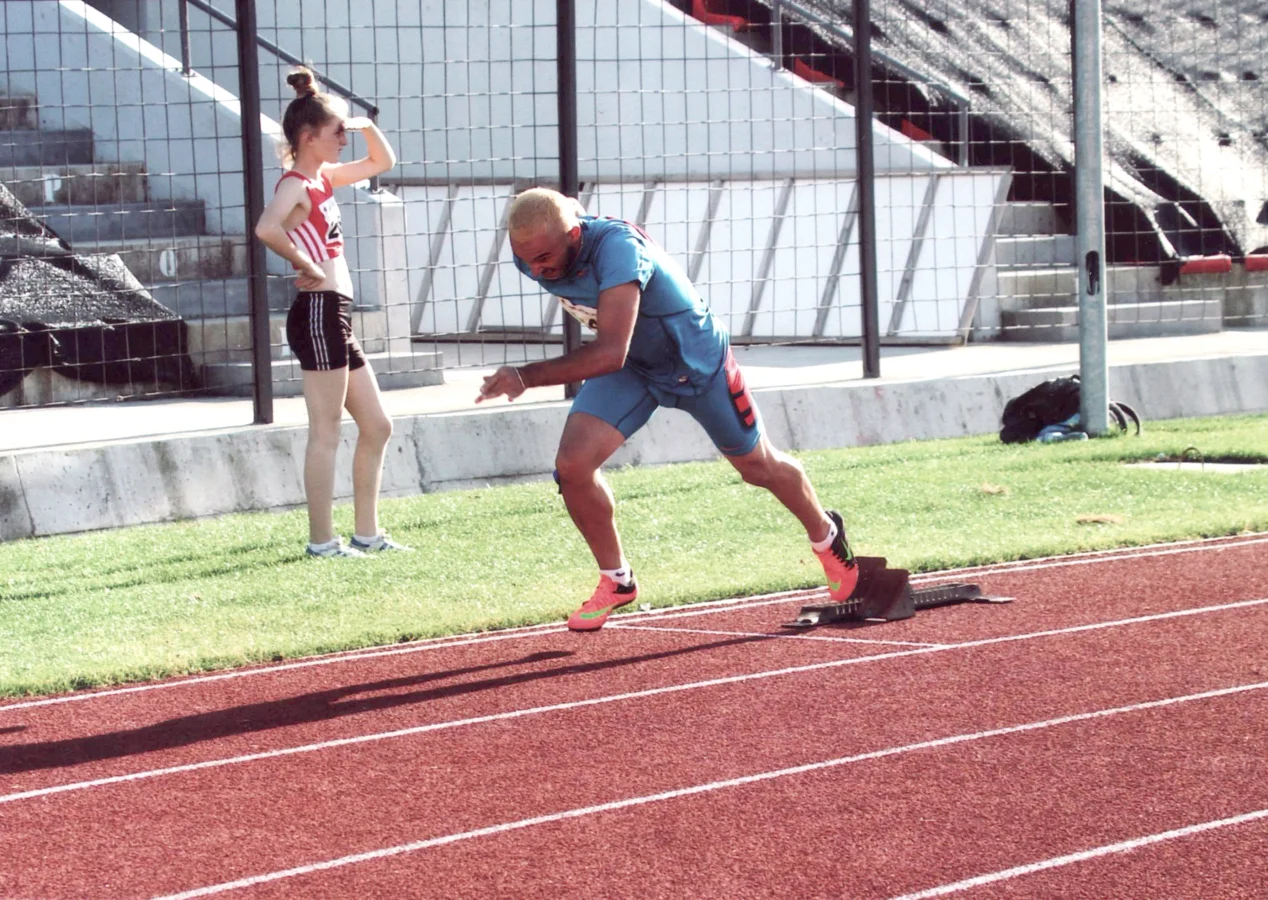
Most runners do the same run every day: same distance, same pace, same route. It feels comfortable — but it's one of the biggest reasons progress stalls. Your body adapts quickly, and once it does, the same stimulus stops producing gains.
The solution is structure. Every elite training plan uses a combination of run types, each targeting a different physiological system. Here are the 10 types of running workouts every runner should have in their toolkit, what each one develops, and when to schedule them.
The 10 Types at a Glance
| # | Workout Type | Effort | Primary Benefit |
|---|---|---|---|
| 1 | Easy Run | Low | Aerobic base, recovery |
| 2 | Long Run | Low–Medium | Endurance, fat burning |
| 3 | Tempo Run | Comfortably hard | Lactate threshold |
| 4 | Interval Training | High | VO2 max, top-end speed |
| 5 | Hill Repeats | High | Strength, power, form |
| 6 | Fartlek Run | Varied | Speed, mental toughness |
| 7 | Recovery Run | Very low | Active recovery, blood flow |
| 8 | Progression Run | Low to high | Race pace conditioning |
| 9 | Race Pace Run | Specific | Race rehearsal, pace control |
| 10 | Time Trial | Maximum | Fitness testing, benchmarking |
1. Easy Run
The easy run is the backbone of any training plan, and most runners don't do nearly enough of them. An easy run is run at a conversational pace — you should be able to speak in full sentences without gasping. Heart rate stays in Zone 1–2.
What it builds: Aerobic base, mitochondrial density, fat oxidation, and running economy. Easy miles are where the bulk of your aerobic adaptation happens.
When to use it: 70–80% of your weekly mileage should be easy runs. After a hard workout, the day before a race, and on any day where you just need the miles without the stress.
💡 The 80/20 rule: Research consistently shows that elite runners do about 80% of their training at easy effort and only 20% at moderate or hard effort. Most recreational runners have this backwards.
2. Long Run
The long run is the most important workout of the week for any distance runner. It's simply an easy run taken further than your usual distance — typically 20–30% longer than your average daily run.
What it builds: Muscular endurance, mental resilience, fat-burning capacity, and the ability to stay on your feet longer. For marathon runners, the long run is non-negotiable.
When to use it: Once per week, typically on the weekend when you have more time. Keep the pace easy — the point is time on feet, not speed.
3. Tempo Run
A tempo run is sustained effort at your lactate threshold — the pace you could sustain for about 60 minutes in a race. It feels comfortably hard: you can speak a few words, but not hold a conversation.
What it builds: Lactate threshold, which is one of the strongest predictors of race performance. Raising your threshold means you can run faster before lactic acid starts accumulating.
When to use it: Once per week during a build phase. A classic session is a 10–15 minute warm-up, 20–40 minutes at tempo pace, and a 10-minute cool-down.
4. Interval Training
Intervals are repeated hard efforts at near-maximum intensity, separated by recovery periods. Classic sessions include 400m repeats, 800m repeats, or kilometre repeats on a track.
What it builds: VO2 max (your maximum oxygen uptake), running economy, and top-end speed. Intervals produce the biggest cardiovascular adaptations.
When to use it: Once per week, never on back-to-back days. A typical session: 6×800m at 5K race pace with 90 seconds of walking recovery between each.
5. Hill Repeats
Hill repeats are short, hard efforts uphill, repeated multiple times. Find a hill with a 5–10% gradient, sprint up for 30–90 seconds, walk back down to recover, and repeat.
What it builds: Running-specific strength, power output, and running form. Hills force you to drive your knees, pump your arms, and engage your glutes — all of which carry over to flat running.
When to use it: Once per week as a strength-building workout. Especially valuable in the base-building phase before race season.
6. Fartlek Run
Fartlek is Swedish for "speed play." It's unstructured interval training done by feel — you run faster when you feel like it, slow down when you need to, with no set distance or time for the efforts.
What it builds: Speed, comfort with pace variation, and mental flexibility. It's also a great introduction to harder training because it's self-regulating.
When to use it: A good mid-week option when you want something harder than an easy run but less rigid than track intervals. Works well for beginners starting to introduce speed work.
7. Recovery Run
A recovery run is a very short, very easy run done the day after a hard workout. It's slower than your easy pace — deliberately uncomfortable to keep slow. The goal is active recovery, not training stimulus.
What it builds: Blood flow to sore muscles speeds up the removal of metabolic waste and accelerates recovery for the next hard session.
When to use it: The day after any hard session — tempo runs, intervals, races. Keep it short (20–40 minutes) and genuinely easy.
8. Progression Run
A progression run starts at an easy pace and gradually builds to a faster pace by the end. A classic structure: first third at easy pace, second third at moderate pace, final third at tempo or race pace.
What it builds: The ability to run faster when fatigued — exactly what you need in the final miles of a race. Also develops strong pacing discipline.
When to use it: Great as a mid-week workout or as a long run variation. If you find your long runs are getting mentally boring, turn them into progression runs.
9. Race Pace Run
A race pace run is a sustained effort at exactly the pace you're targeting in your goal race. For a marathon runner targeting 5:00/km, this means 8–16 km at exactly 5:00/km.
What it builds: Neurological familiarity with your target pace, confidence that you can hold it, and economy at that specific effort level. Race pace runs are where your goal pace becomes a pace you've actually run — not just a number on paper.
When to use it: 4–8 weeks out from your target race, once per week. Don't start these too early — they require a fitness base to execute properly.
10. Time Trial
A time trial is a maximum effort over a set distance — typically 1 mile, 5K, or 10K. You run as fast as you can and record the time. It's a fitness test, not a training stimulus.
What it builds: Nothing — it's a measurement tool, not a training tool. Time trials tell you exactly where your fitness is right now, which informs your target paces for all other workouts.
When to use it: At the start of a training block to set baseline paces, and again 6–8 weeks in to measure progress. Don't overuse them — they're taxing and require full recovery.
How to Structure These in a Week
| Day | Workout Type | Notes |
|---|---|---|
| Monday | Recovery Run or Rest | After weekend long run |
| Tuesday | Interval Training | Hard day |
| Wednesday | Easy Run | Keep it genuinely easy |
| Thursday | Tempo Run or Race Pace Run | Second hard day |
| Friday | Easy Run or Rest | Pre-long run day |
| Saturday | Long Run | The week's big session |
| Sunday | Easy Run or Rest | Active recovery |
Tracking Your Workouts with Pace Overlays
Every one of these workout types produces interesting data — pace splits, heart rate zones, distance over time. The best way to document and share them is with a running video overlay that shows your live pace updating in real time.
Film your intervals with your phone mounted on an arm band. Export your GPX from Garmin or Strava. Upload both to PaceOverlay Video Overlay and render a video that shows every split, every surge, and every recovery — synced frame by frame with your actual data.
Overlay Your Running Stats
Add your pace, distance, and heart rate to your running photos and videos — share your stats the way the pros do.
Try PaceOverlay Free →Conclusion
Running more miles matters, but running smarter matters more. A training week that includes easy runs for recovery, one hard interval session, one tempo session, and a long run covers all the physiological systems you need to improve. Add progression runs and hill repeats as your fitness grows. Test yourself with a time trial every six weeks. And when you nail a session, document it — your training deserves better than a screenshot.