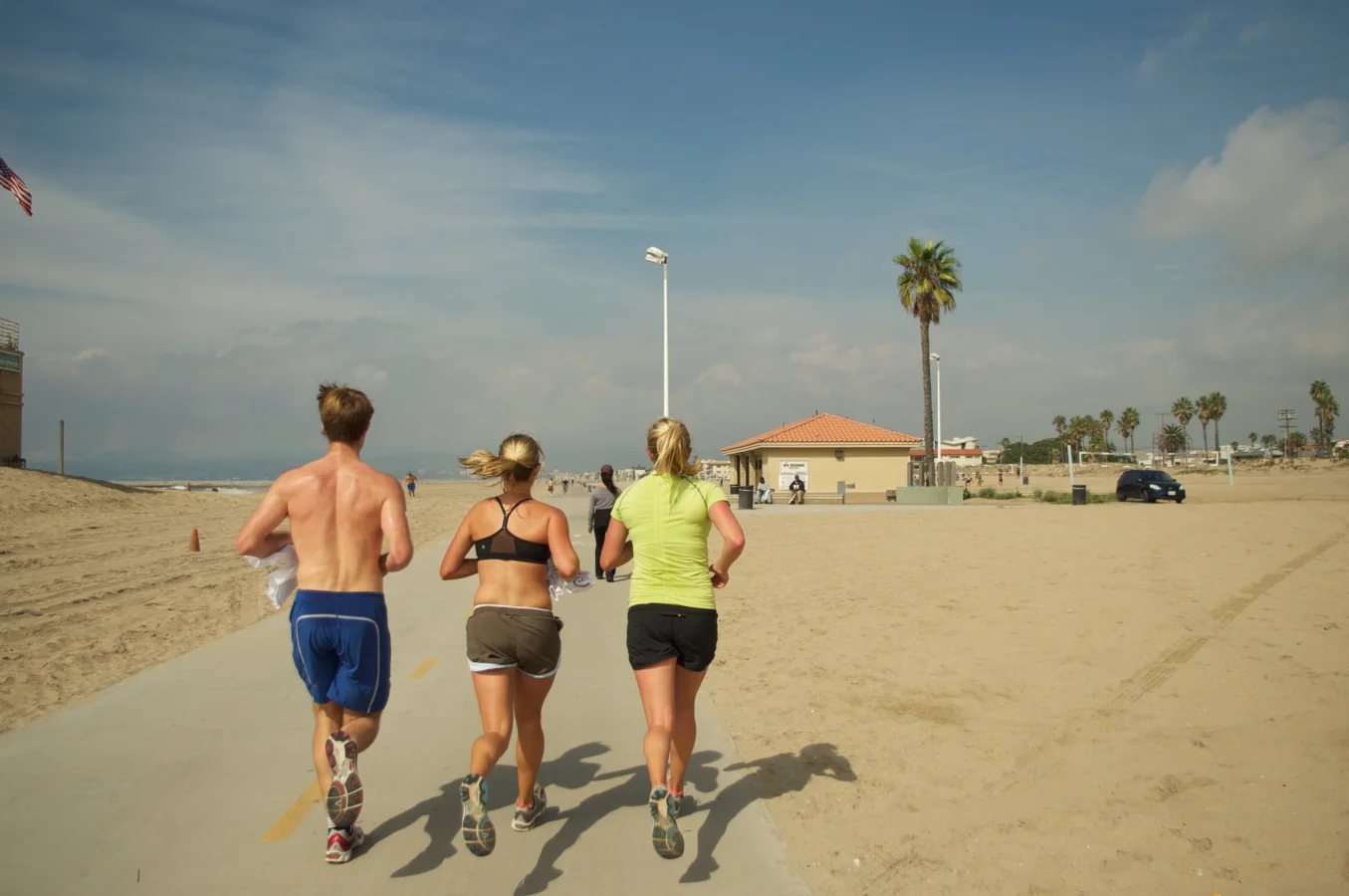
Knowing how to fuel during a marathon is one of the most critical — and most under-practiced — skills in distance running. Run the first 18 miles on adrenaline without eating, and mile 20 will extract a brutal toll. Get your fueling strategy right, and you will run the second half nearly as strong as the first.
Why Marathon Fueling Matters
The human body stores roughly 1,800–2,000 calories of glycogen in the muscles and liver — enough to fuel approximately 18–20 miles of marathon-pace running. Beyond that point, without additional carbohydrate, you are running on fumes. The result is "the wall": a sudden, dramatic slowdown caused by glycogen depletion. Strategic fueling delays and reduces this effect.
The goal is to take in 30–60 grams of carbohydrate per hour during the race. For most runners, that means fueling every 30–45 minutes from as early as mile 4 or 5, not waiting until you feel hungry or tired — by then it is too late for quick absorption to help.
Gels vs. Chews vs. Real Food
Energy gels are the most popular marathon fuel because they are compact, fast-absorbing, and easy to open while running. A standard gel (roughly 100 calories, 22–25 g carbohydrate) takes 15–30 minutes to enter the bloodstream. Chews offer similar carbohydrate content in a more solid format that some runners find easier on the stomach. Real food — dates, banana pieces, boiled potatoes with salt — digests more slowly but suits runners who cannot tolerate the sweetness of commercial gels.
There is no universally best option. The best fuel is the one your stomach accepts at race pace. Whatever you choose, train with it on long runs at goal marathon pace before committing to it on race day.
A Practical Fueling Schedule
| Mile | Action | Notes |
|---|---|---|
| Pre-race | 300–400 cal carb-heavy meal, 2–3 hrs before | Oats, toast, banana — avoid high fat/fiber |
| Mile 4–5 | First gel or chews | Early fueling keeps glycogen topped up |
| Mile 8–9 | Second gel | Wash down with water, not sports drink |
| Mile 13 | Third gel | Halfway — critical fueling window |
| Mile 17–18 | Fourth gel | Pre-emptive strike before the wall zone |
| Mile 21–22 | Fifth gel or chews | Some runners skip if stomach is unhappy |
Managing Stomach Issues
GI distress is the most common reason runners abandon their fueling plan mid-race. The main causes are: taking gels without enough water, drinking sports drink with gels (doubling up on sugar concentration), eating unfamiliar foods at the expo or pre-race dinner, and race-day nerves increasing gut motility.
The fix: always chase gels with 4–6 oz of plain water (not sports drink). Stick to race-tested fueling products. Keep your pre-race meal simple and predictable. If your stomach rebels, switch to smaller, more frequent doses — half a gel every 20 minutes rather than a full gel every 40.
Key rule: Never try a new gel brand, flavor, or food on race day. Practice your entire nutrition plan — including the brand, flavor, and quantity — on at least three long training runs before the marathon.
Electrolytes and Hydration
Carbohydrate is only half the story. Sodium and other electrolytes lost in sweat must also be replaced, especially in races lasting over 3 hours or in warm conditions. Sports drinks at aid stations supply some sodium, but heavy sweaters should also carry salt capsules or electrolyte chews. Hyponatremia — dangerously low blood sodium from over-hydrating with plain water — is a real risk at slower marathon paces; aim to drink to thirst, not to a rigid schedule.
Practice Makes Perfect
Your gut, like your legs, needs to be trained. Running at marathon pace with a gel in your stomach is physiologically different from eating a gel while sitting on the couch. Simulate race conditions on every run over 14 miles: carry the same gels, take them at the same intervals, and use the same water strategy you plan for race day. By the time you arrive at the start line, your fueling plan should feel automatic.
For a broader view of marathon preparation including training structure, taper, and race-day strategy, see our complete marathon training guide.
Overlay Your Running Stats
Add your pace, distance, and heart rate to your running photos and videos — share your stats the way the pros do.
Try PaceOverlay Free →Frequently Asked Questions
How many gels should I take in a marathon?
Most runners take 4–6 gels over the course of a marathon, starting around mile 4–5 and repeating every 30–45 minutes. The exact number depends on your pace, sweat rate, and tolerance for concentrated sugar.
Should I use gels or sports drink?
You can use either or both, but avoid combining them at the same aid station. Taking a gel immediately after drinking sports drink significantly increases the sugar concentration in your gut and raises the risk of GI distress. If you use gels, wash them down with water only.
What should I eat the morning of a marathon?
A carbohydrate-rich, low-fiber, low-fat meal 2–3 hours before the start: oatmeal, white toast with jam, or a bagel with a small amount of peanut butter. Avoid dairy, high-fat foods, and anything unfamiliar. Add a banana or sports drink in the final 30–60 minutes if you feel you need a top-up.
Final Thoughts
how to fuel during a marathon is one of the most evidence-backed ways to improve your running performance. The techniques and principles here — spanning Why Marathon Fueling Matters, Gels vs. Chews vs. Real Food — give you everything you need to train smarter rather than just harder.
The biggest gains come from consistent, progressive application over weeks and months — not from any single workout. Use this guide as your starting framework, track your results honestly, and adjust based on what your body tells you.