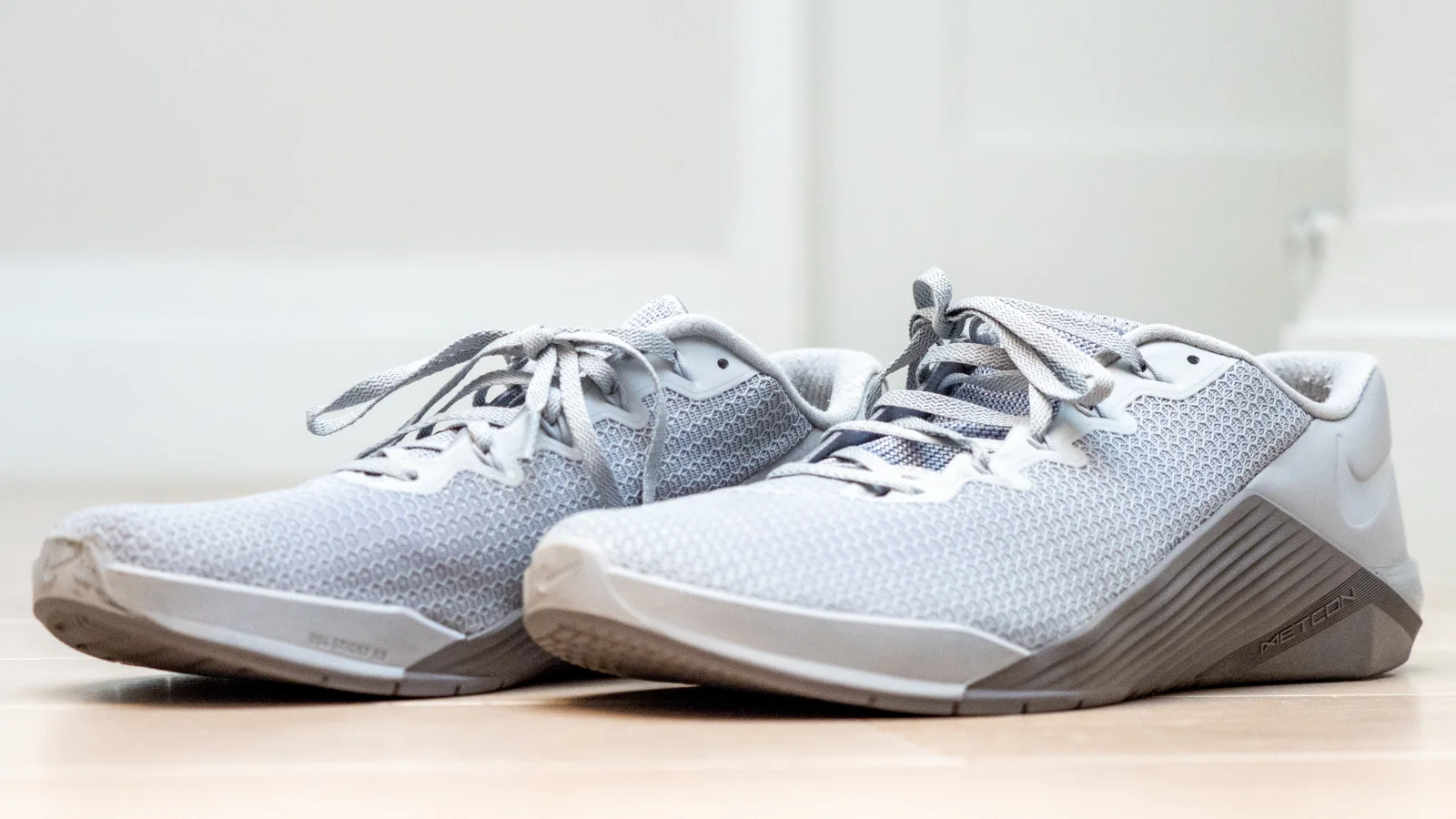
Marathon blister prevention starts weeks before race day, not at the starting line. A single blister in the wrong place — the ball of the foot, the back of the heel, or between the toes — can reduce a months-long training effort to a painful shuffle by mile 16. The good news: blisters are almost entirely preventable with the right combination of socks, shoes, and preparation.
Why Blisters Form During a Marathon
Blisters are caused by friction — repetitive rubbing between skin and a surface (sock, shoe upper, or adjacent toe) that creates heat and separates the outer skin layer from the tissue below. The body fills the gap with fluid to protect the deeper tissue. Three conditions make blisters more likely: moisture (sweat softens skin, dramatically lowering friction threshold), heat (feet swell slightly as you run, increasing pressure points), and repetition (26.2 miles of the same motion multiplies any small rubbing point into a major injury).
Choosing the Right Running Socks
Socks are the most important piece of blister-prevention equipment. Cotton is the enemy — it absorbs sweat, stays wet, and increases friction dramatically. Moisture-wicking synthetic or merino wool running socks keep feet drier, cooler, and protected. Key features to look for:
- Double-layer construction — the layers move against each other rather than against your skin, absorbing the friction that would otherwise create blisters
- Seamless toe boxes — even a small seam over a long race creates a blister under pressure
- Compression fit without constriction — socks that slip around inside the shoe cause as much friction as the wrong shoe
- Moisture-wicking fibers — Coolmax, merino wool, or proprietary synthetic blends all work well
Brands consistently recommended by marathon runners include Balega, Darn Tough, Feetures, and Swiftwick. Whatever brand you choose, wear them on every long training run — socks, like shoes, need to be broken in.
Lacing Techniques That Prevent Blisters
| Problem | Lacing Fix | How It Works |
|---|---|---|
| Heel slipping | Heel lock (runner's loop) | Thread lace through the top eyelet to create a loop, then cross laces through both loops before tying — locks heel in place |
| Toe box pressure | Skip the top eyelet | Reduces downward pressure on toes, helpful for black toenails and toe blisters |
| Wide forefoot | Parallel (straight) lacing | Reduces lateral squeeze on wide feet, decreasing friction on the sides of the foot |
| High arch pain | Window lacing | Skip the eyelets over the arch to reduce pressure on the instep |
Anti-Chafe Products and Body Glide
Even perfect socks and shoes can cause blisters on a 4+ hour run if hot spots develop. Anti-chafe products reduce friction by creating a protective barrier between skin and sock. Apply Body Glide, Vaseline, or Trail Toes to known problem areas before every long run and on race day: the back of the heel, the ball of the foot, between the toes, and anywhere your socks have left a red mark in training.
Pre-race application: Apply anti-chafe product to your feet the night before a marathon (let it absorb overnight) and again on race morning before putting on your socks. Doubling up provides more protection over the full 26.2 miles.
Getting Shoe Fit Right
The single biggest source of marathon blisters is a shoe that does not fit properly — most commonly a shoe that is too short (causing toe jamming and black toenails) or too narrow in the toe box (creating lateral pressure that blisters the little toe and ball of foot). Running shoes should have a full thumb's width of space between the longest toe and the end of the shoe, fitted at the end of the day when feet are at their most swollen. Marathon feet swell further during the race, so if in doubt, size up half a size.
Treating a Blister on Race Day
If you feel a hot spot developing mid-race, act immediately — do not wait until it becomes a full blister. Stop at the next aid station if there is medical support and ask for moleskin or blister pads. If you are carrying your own supplies (recommended for ultra-distance events), cut a donut-hole of moleskin around the hot spot to relieve pressure. If a blister has already formed, the decision to drain it or leave it sealed depends on race conditions and its location — a firm blister under the ball of the foot is far more painful to run on than a drained and padded one.
For the complete picture of marathon preparation from training through race day, including gear decisions and taper strategies, visit our complete marathon training guide.
Overlay Your Running Stats
Add your pace, distance, and heart rate to your running photos and videos — share your stats the way the pros do.
Try PaceOverlay Free →Frequently Asked Questions
What are the best socks to prevent marathon blisters?
Double-layer moisture-wicking socks consistently outperform single-layer cotton or synthetic socks. Brands like Balega, Feetures, and Darn Tough are popular among marathon runners. The key is a seamless toe box, a snug fit without compression, and wicking fibers that keep feet dry.
Should I pop a blister during a race?
If the blister is large and on a weight-bearing surface (ball of foot or heel), draining it with a sterilized needle and covering with a blister pad often makes it more manageable to run on. If it is small or in a non-pressure area, leave it sealed. Never pop a blister with a dirty implement — infection risk is real, especially in a race environment.
How far in advance should I break in my race shoes?
Start wearing your race shoes on easy runs 8–10 weeks before race day. Use them for at least 4–5 long runs and several medium runs before the marathon. Race-day shoes should feel completely comfortable and familiar — never brand new.
Final Thoughts
The most important thing about marathon blister prevention is that it is learnable. The principles covered in this guide — from Why Blisters Form During a Marathon, Choosing the Right Running Socks — give you a proven framework to work from, regardless of your current fitness level.
Start with one change this week. Apply it consistently across a few runs, assess the results, and build from there. Running rewards patience and consistency more than any other input. Show up regularly, progress gradually, and the improvements follow.